The Last Two
There are some animals you hope to see in your lifetime. And then there are two you know you may never have another chance to meet.
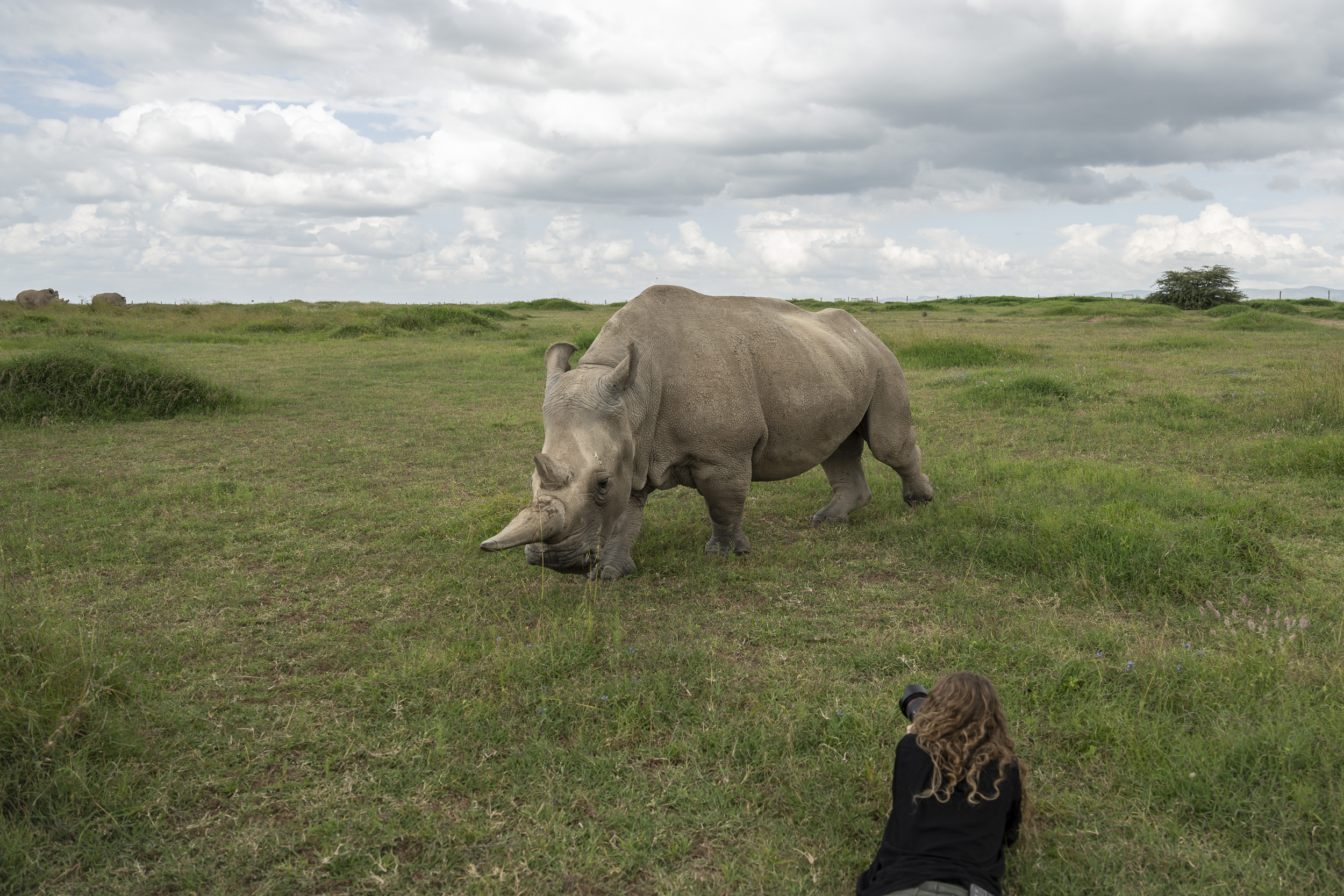
Standing beside them
I had wanted to see them for a long time. So when a friend and I had the opportunity to visit them at Ol Pejeta, there wasn't much to think about. I booked the tour.
Still, knowing their story and actually standing in front of them turned out to be two very different things.
They are huge.
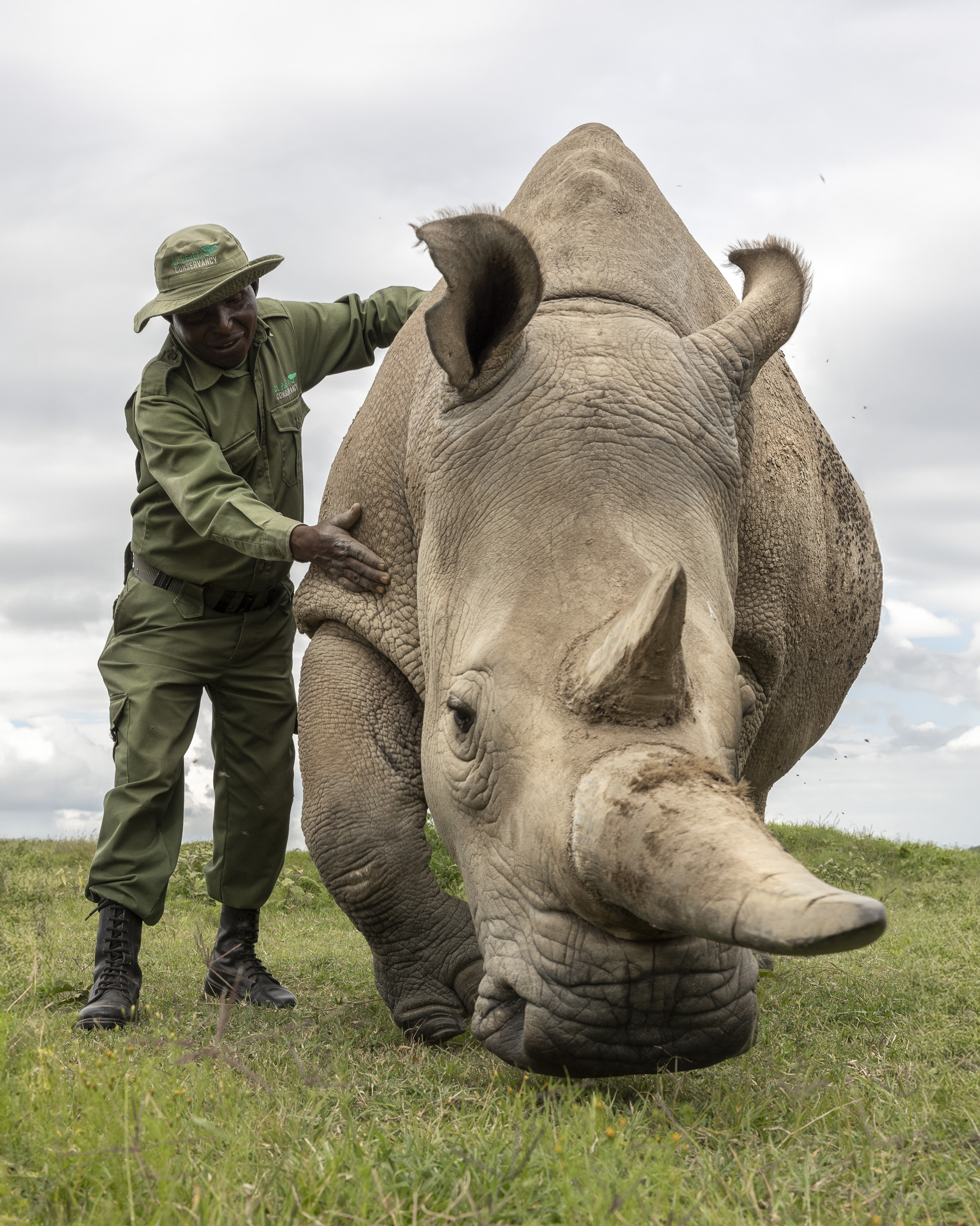
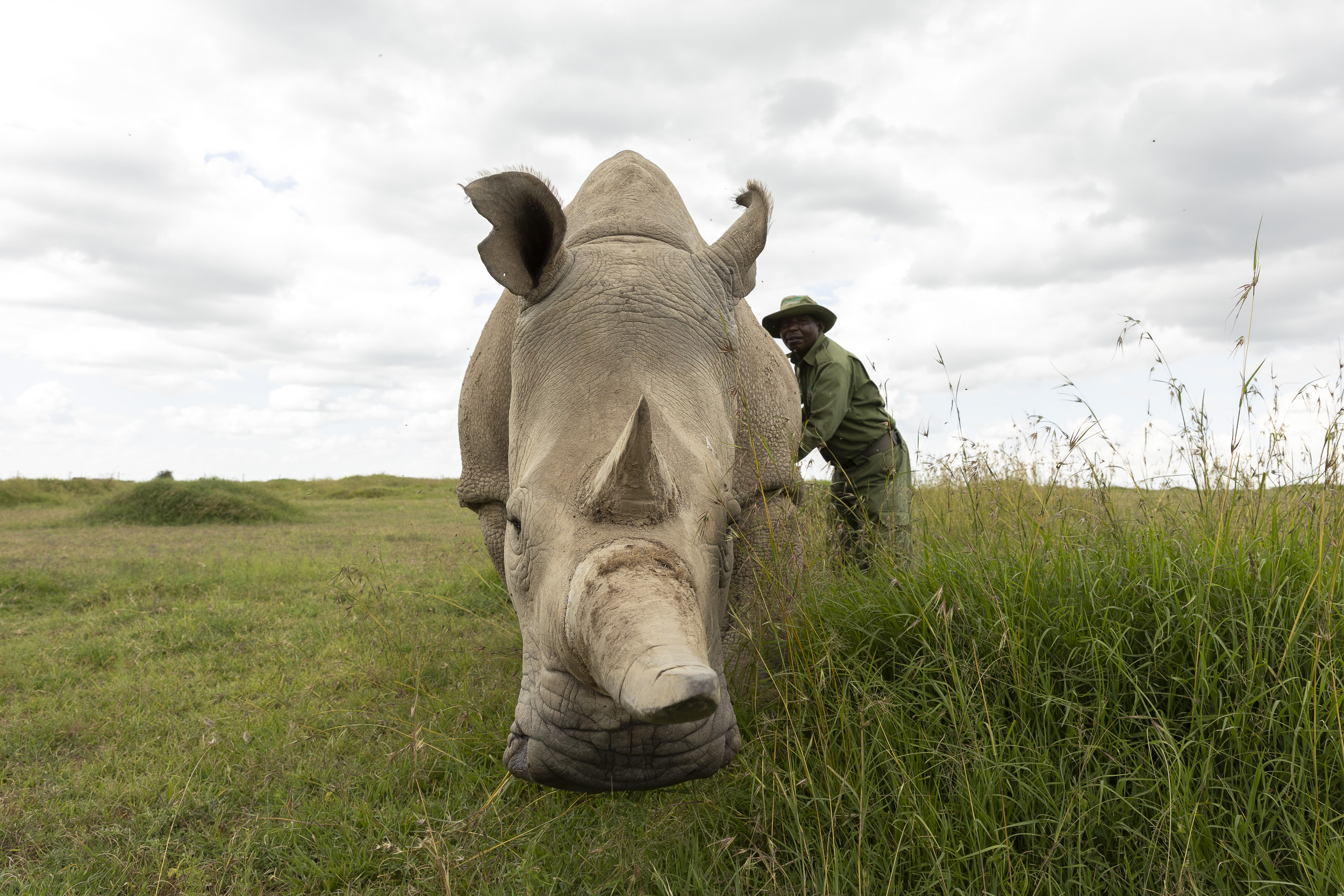
I spend a lot of time around wild rhinos, where keeping your distance and reading their behaviour is simply part of being with them. Najin and Fatu were different. They are used to their carers and weren't shy about coming close.
Very close.
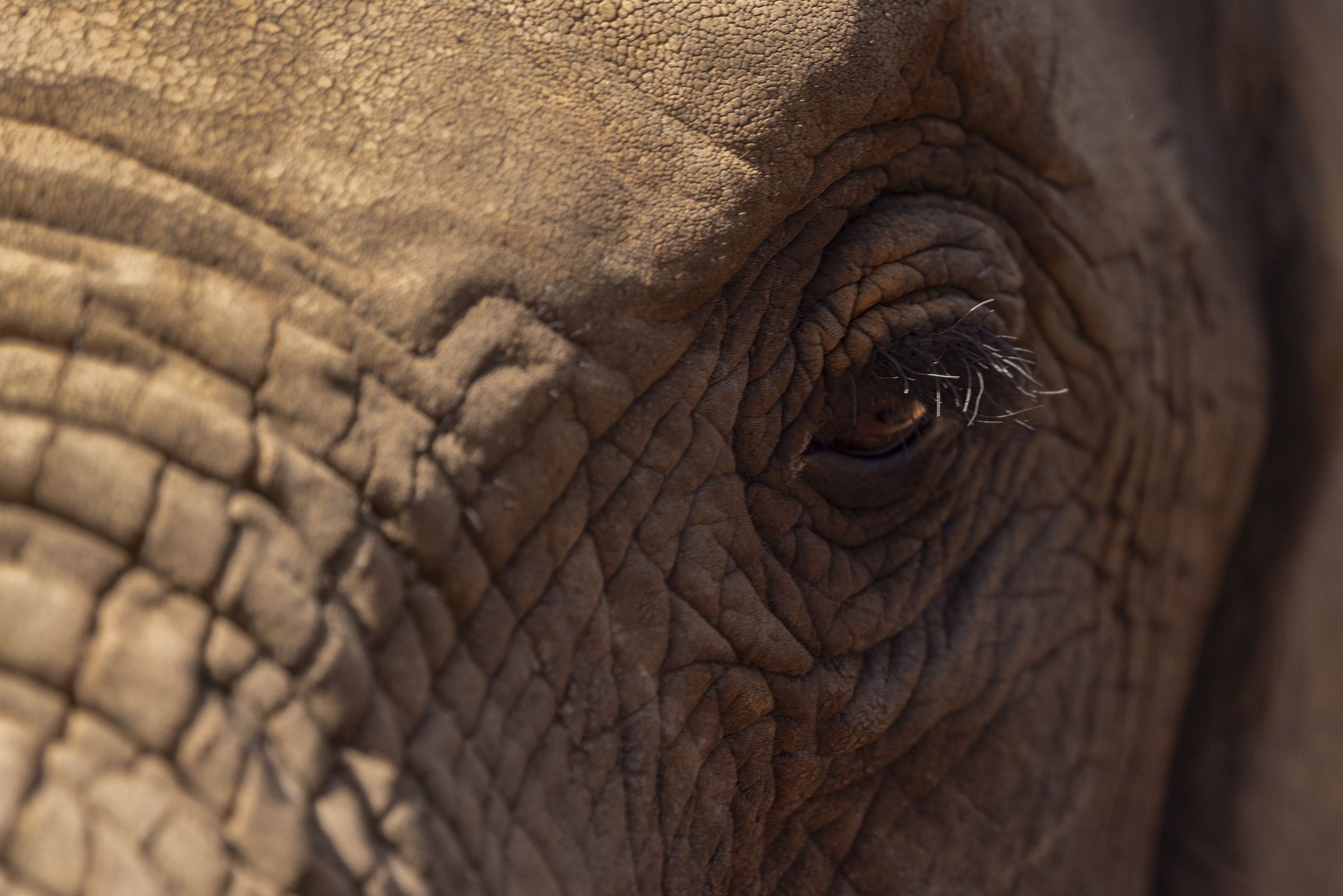
Their skin was incredibly rough. Standing next to them, I suddenly felt very small. They are enormous, yet they were completely peaceful, slowly grazing while we stood nearby.
I felt incredibly grateful just to be there. To touch them, photograph them and spend a little time in their presence, knowing that these are the last two northern white rhinos left in the world.
In good hands
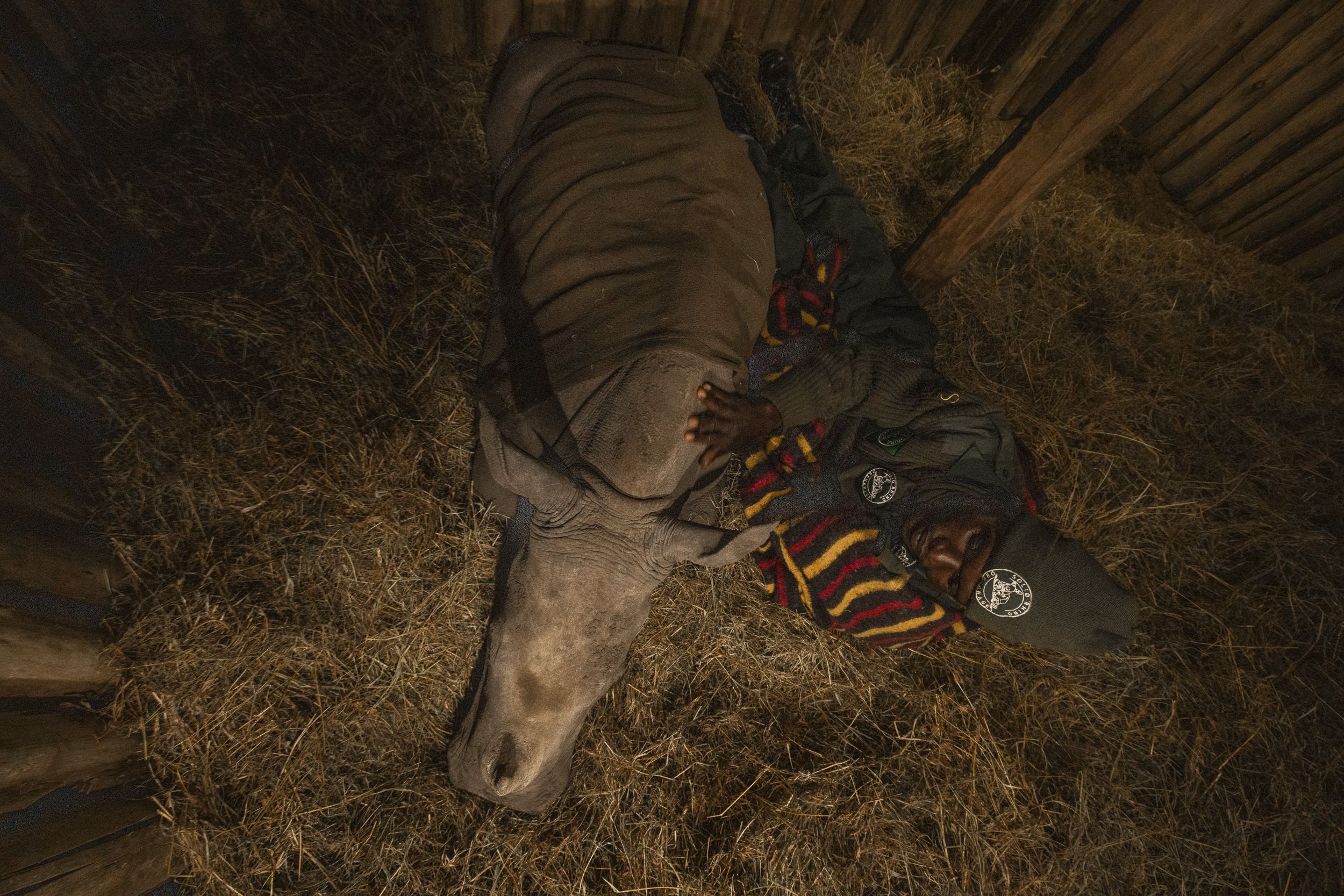
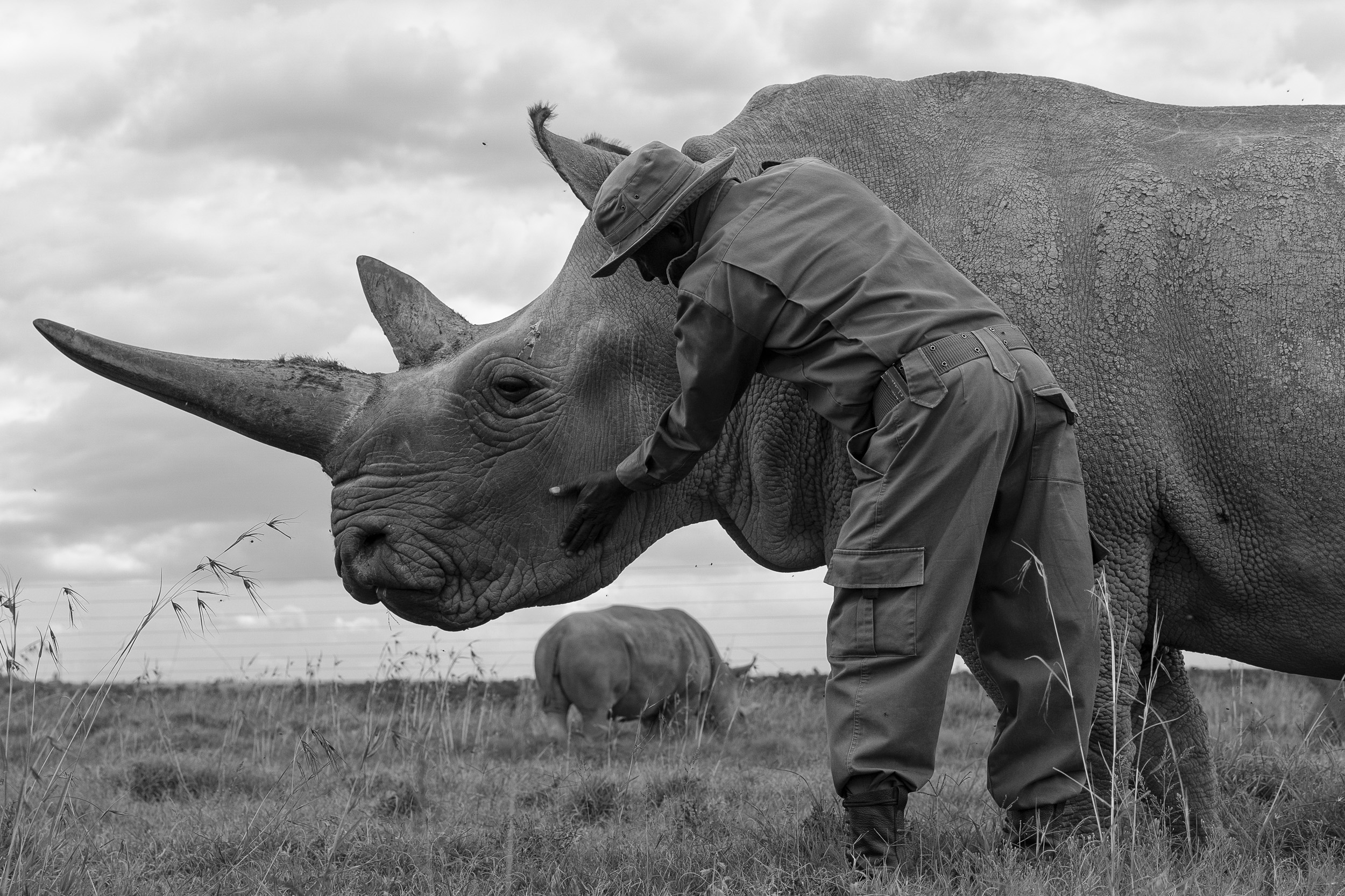
The carers never stopped watching them. They knew exactly where the rhinos were and what they were doing, and we stayed close and followed their lead.
At one point, one of the rhinos started walking. Without making a big thing of it, one of the carers simply took my hand and walked me back to a safe distance.
I had to laugh.
It was such a small moment, but one I remember so clearly. You might be standing beside animals that are used to people, peacefully grazing just moments before, but they are still rhinos.
Very, very big rhinos.
And we were definitely in good hands.
How did we get to two?
Najin and Fatu weren't always alone.
In December 2009, four northern white rhinos (Najin, Fatu, Sudan and Suni) were moved from Dvůr Králové Zoo in the Czech Republic to Ol Pejeta Conservancy in Kenya.
There were only seven northern white rhinos left in the world at the time. Previous attempts to breed them in the zoo had failed, and the hope was that returning them to African soil, with more space, natural grasslands and a different climate, might encourage them to breed.
For a while, there was hope.
Suni was seen mating with Najin in 2012.
But no calf came.
Suni died in 2014. Further examinations showed that neither Najin nor Fatu was capable of carrying a pregnancy naturally, while Sudan's age meant his reproductive chances had become extremely limited.
Then, in March 2018, Sudan died.
Both female.
Natural reproduction was no longer possible.
Thirty-nine
But their story didn't end there.
Scientists and conservationists began trying something extraordinary.
In 2019, eggs were collected from Najin and Fatu and fertilised in the laboratory using frozen sperm preserved from northern white males that had already died.
Embryos were created.
Najin was retired from the egg collection programme in 2021 following an ethical risk assessment, leaving her daughter Fatu as the only living northern white rhino still contributing eggs to the programme.
By April 2026, scientists working with the BioRescue programme had created 39 pure northern white rhino embryos.
For an animal of which only two remain.
But there is another problem.
Neither Najin nor Fatu can carry them.
The hope now lies with southern white rhino females who can act as surrogate mothers. Three northern white embryo transfers were attempted in the second half of 2025, but none resulted in a long-term pregnancy. The work continues, with additional proven southern white females joining the programme as potential surrogates.
Two, right there
Standing beside Najin and Fatu, all of those numbers suddenly felt much less abstract.
There are only two.
And they were right there in front of me, peacefully grazing.
I am so glad I went. Glad I photographed them with their carers, glad I had the chance to spend time beside them, and incredibly grateful that I was able to touch them.
I really hope their story doesn't end with Najin and Fatu.
Humans played an enormous role in bringing the northern white rhino this close to extinction. Now, an extraordinary group of people is trying to use science to give them another chance.
Maybe something we once helped destroy can, through us, also be saved.