Solio
Game Reserve
Photographed over several years, across the reserve, the orphanage and the quieter work happening behind both.
Solio is different for me because I never really arrive as if I am seeing it for the first time anymore. I know roads, trees, corners of the reserve, certain animals, and the way some places change with the light. But that familiarity has never made me photograph it less. If anything, it has made me look harder. I keep returning because there is always something I have not seen yet.
Some places reveal themselves quickly. Solio took longer.
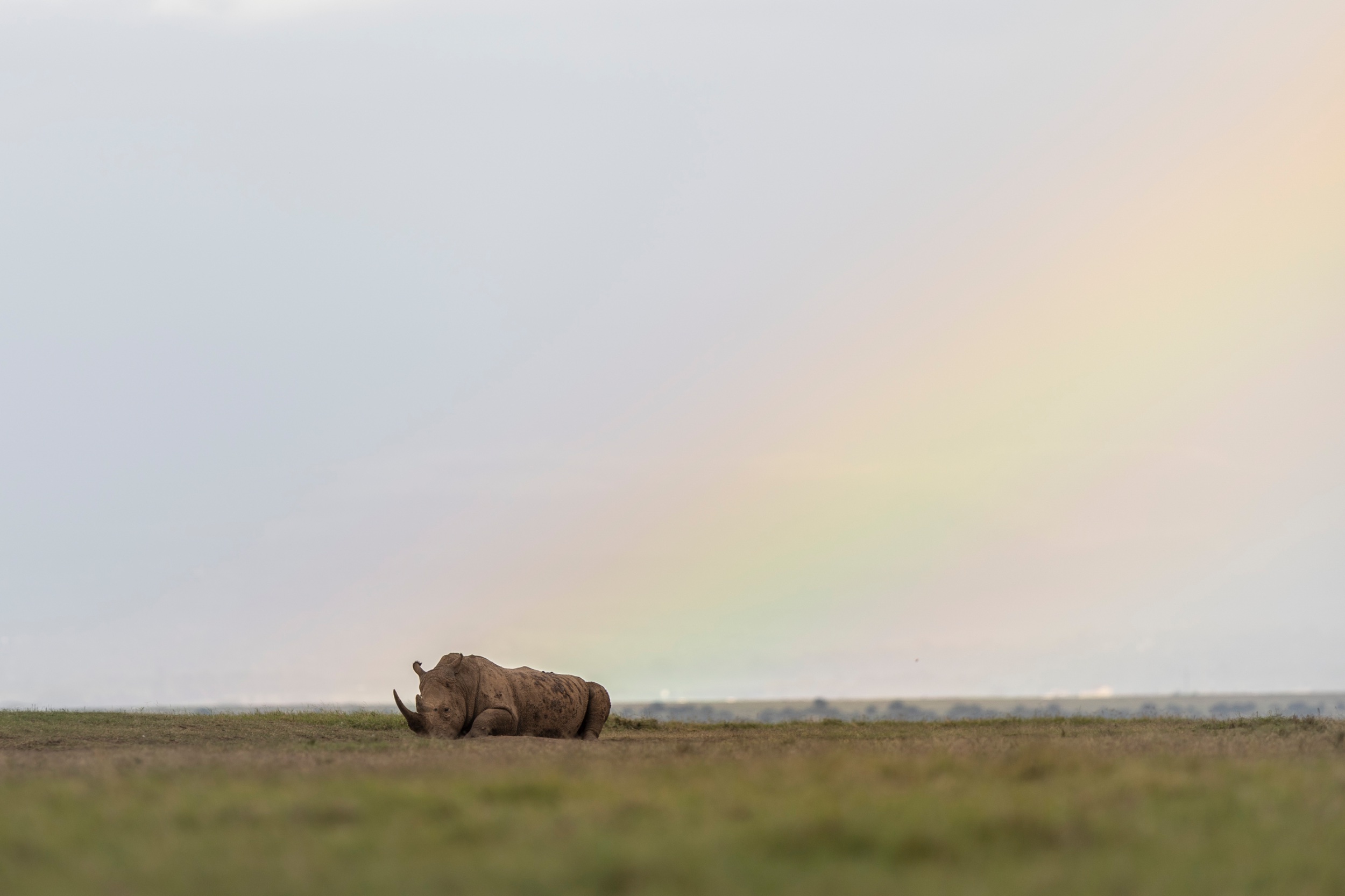
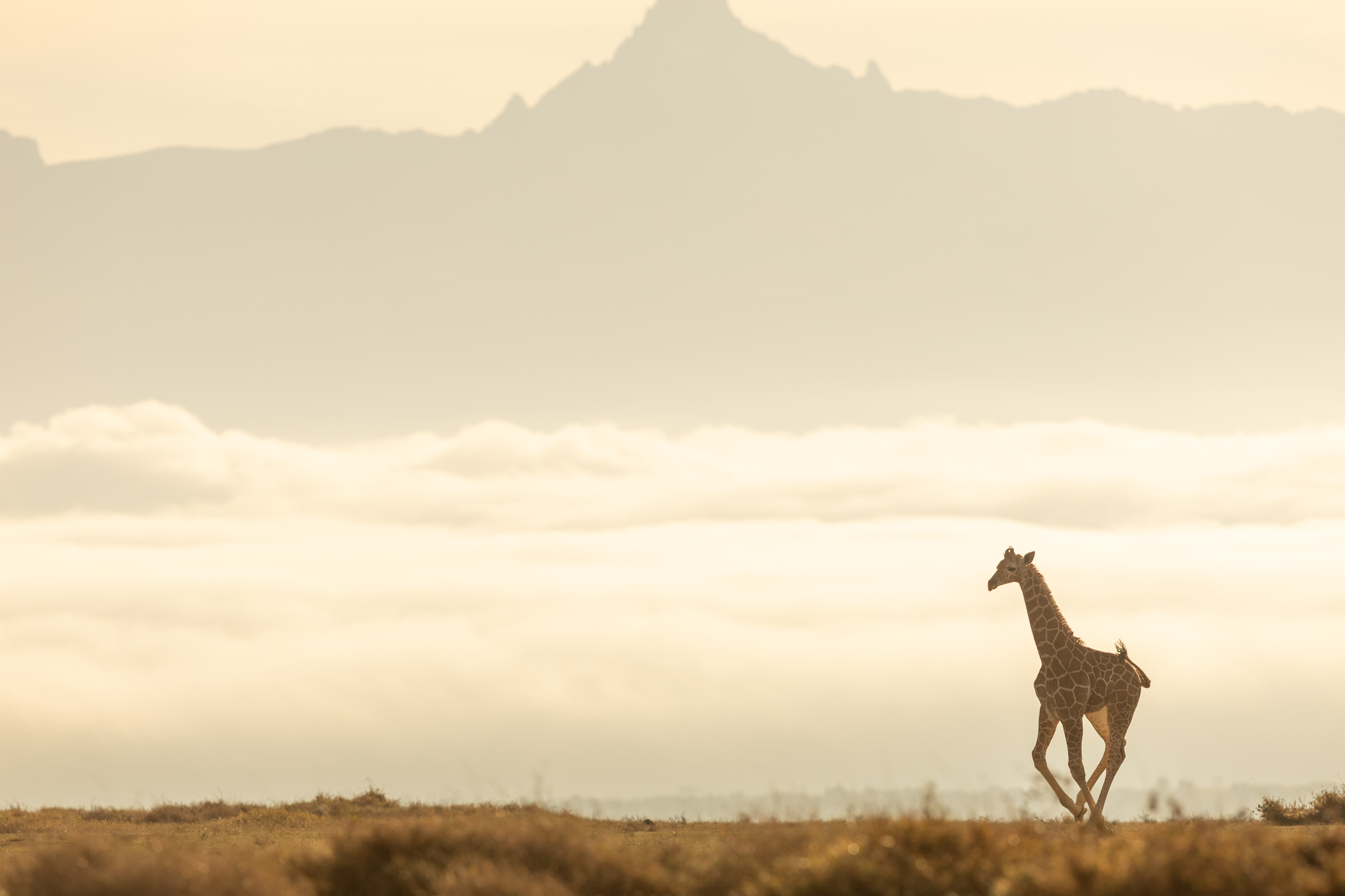
The open plains make the reserve look simple at first, but the more time I spent there, the more different worlds I started to notice. Forest, grassland, dust, mist, cold mornings, hard midday light, storms, silhouettes and nights where almost everything disappears except what the headlights find.
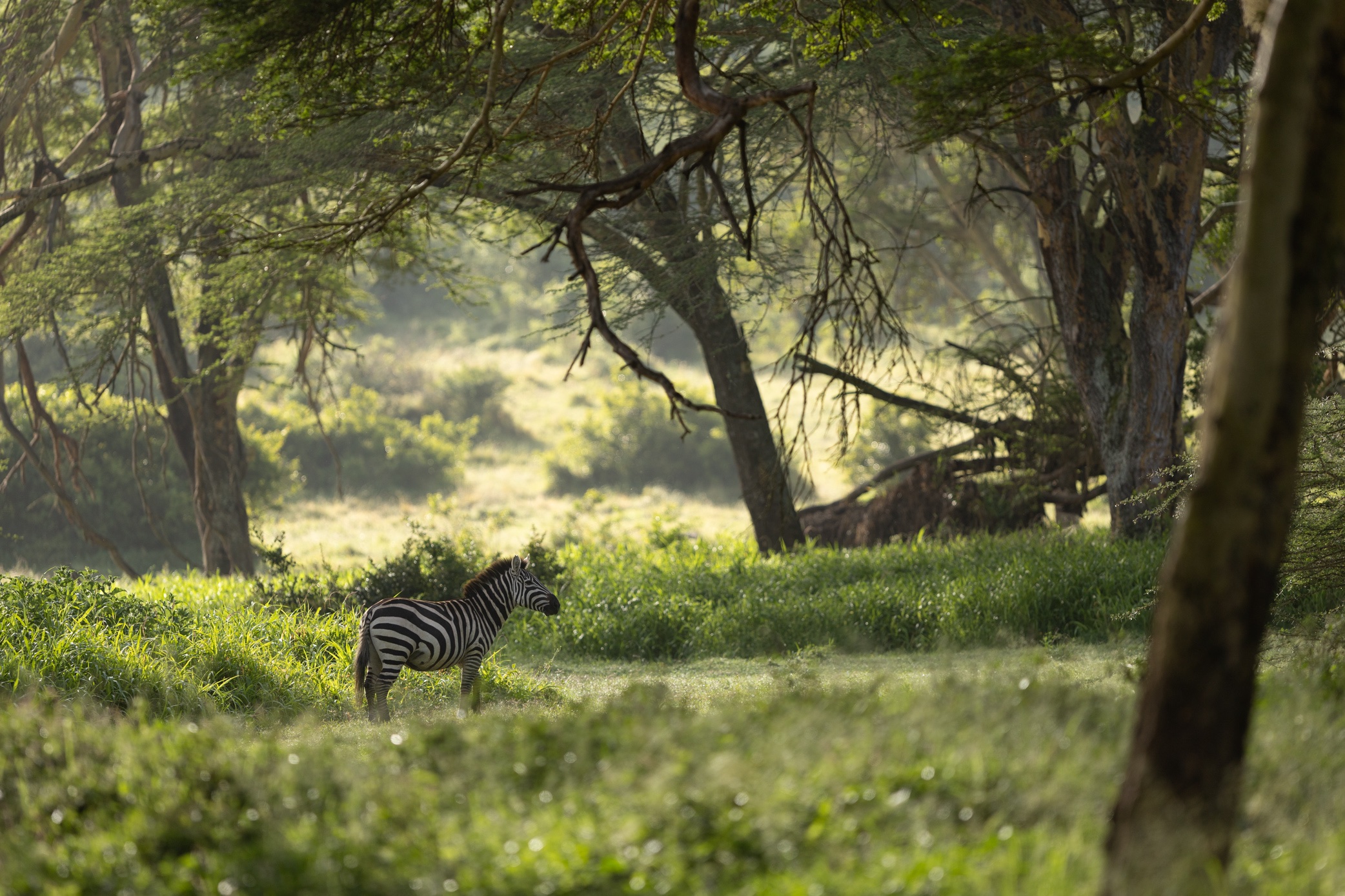
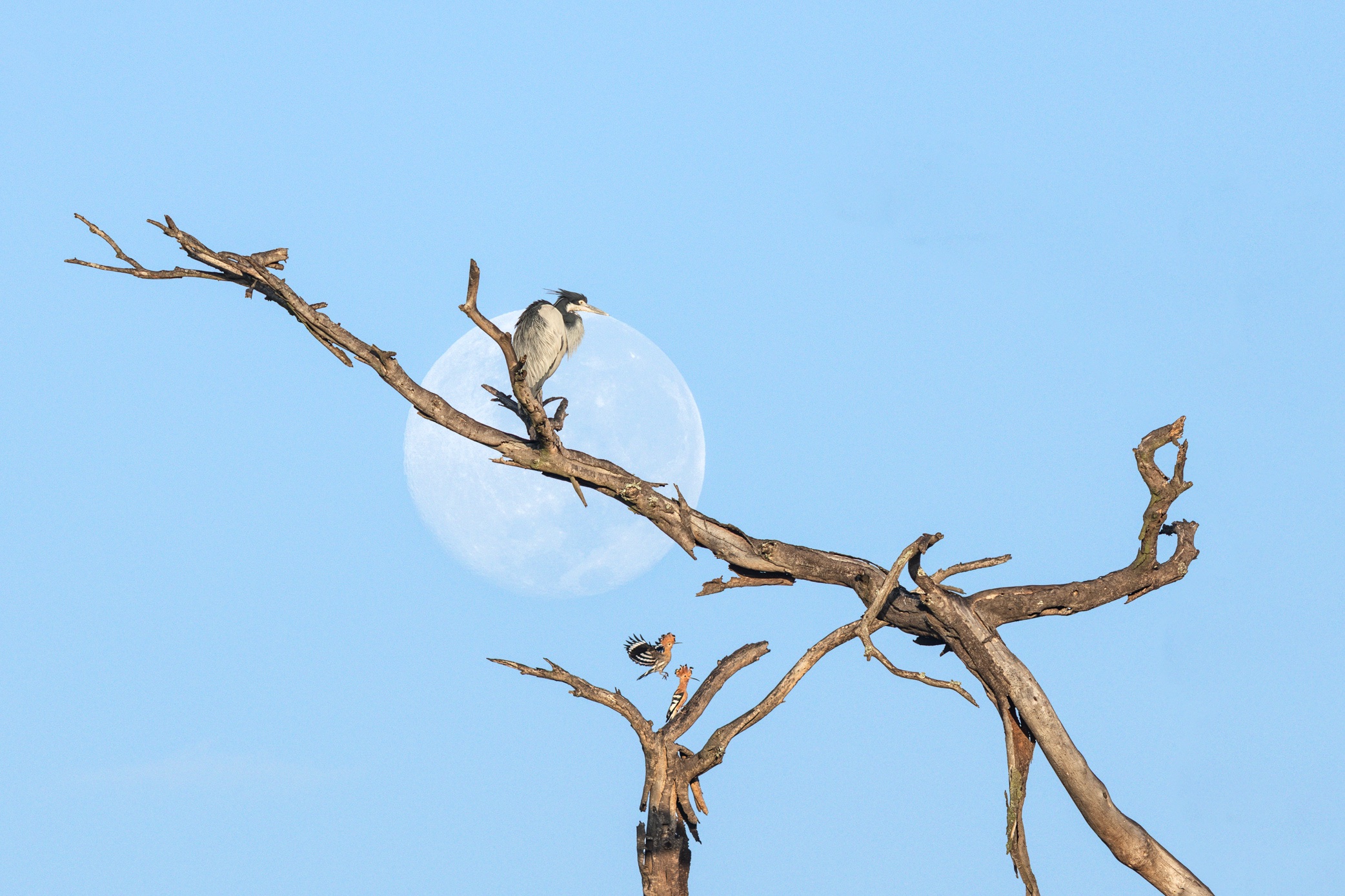
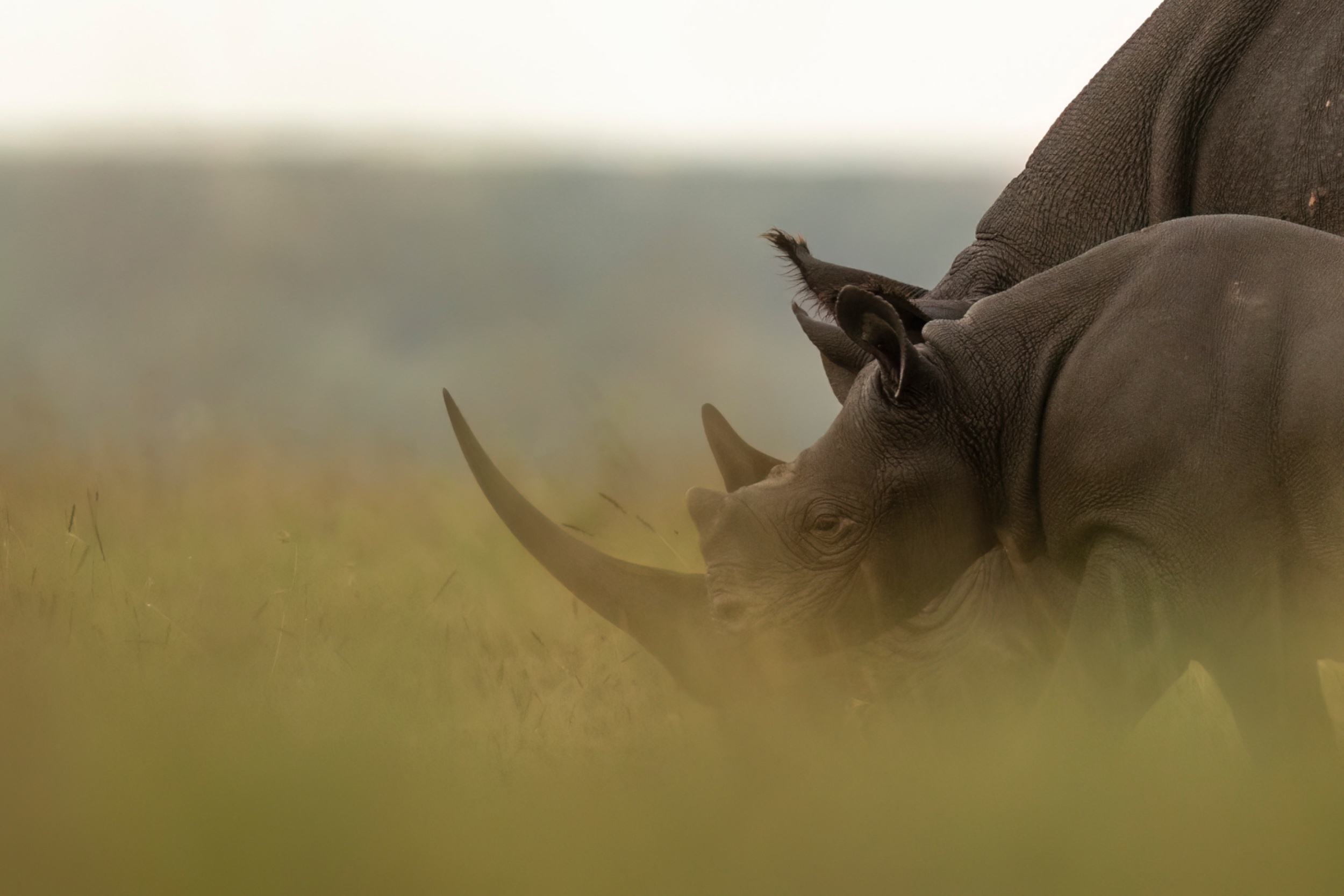
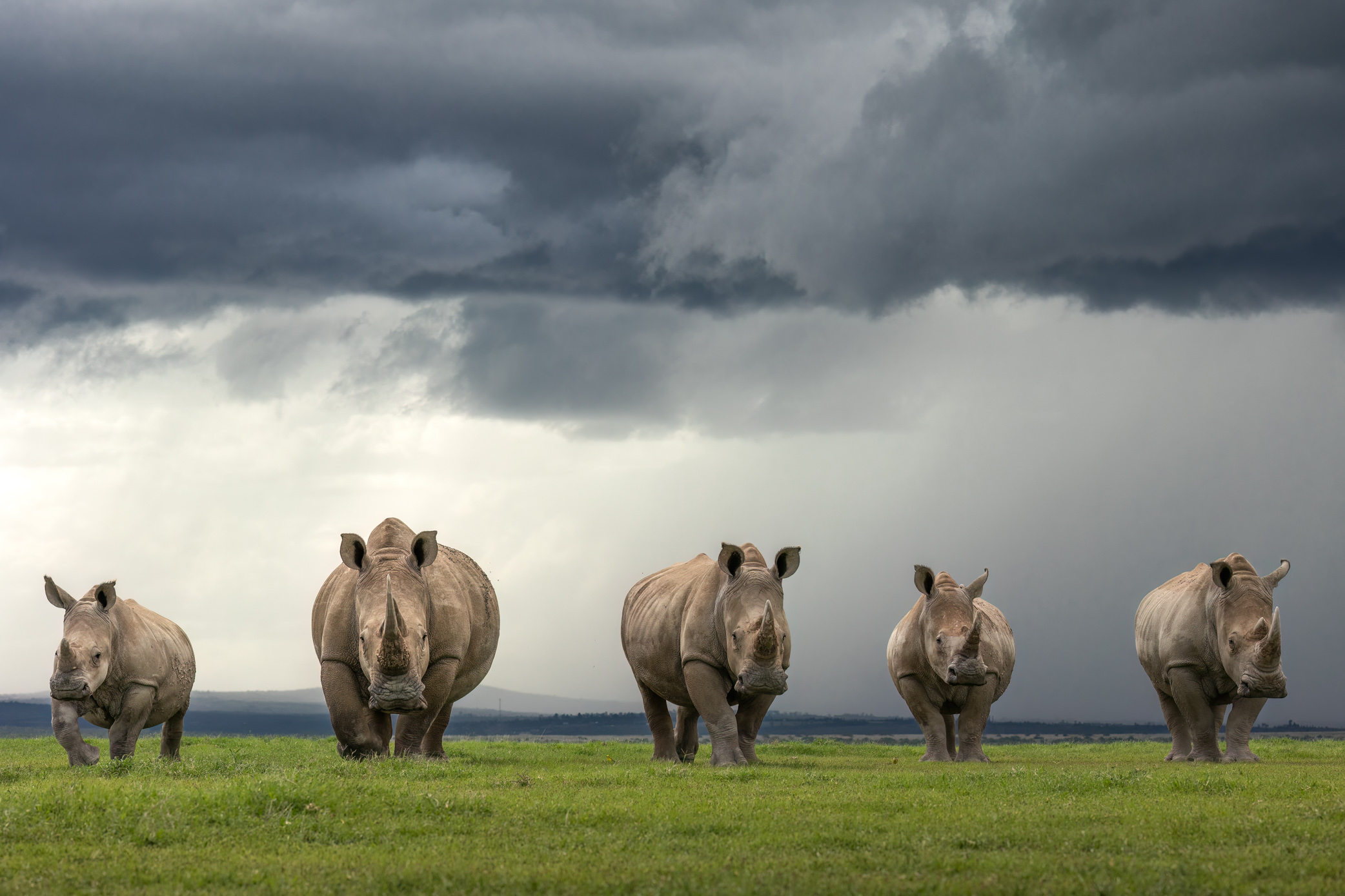
You cannot spend much time at Solio without rhinos becoming part of the way you see the landscape.
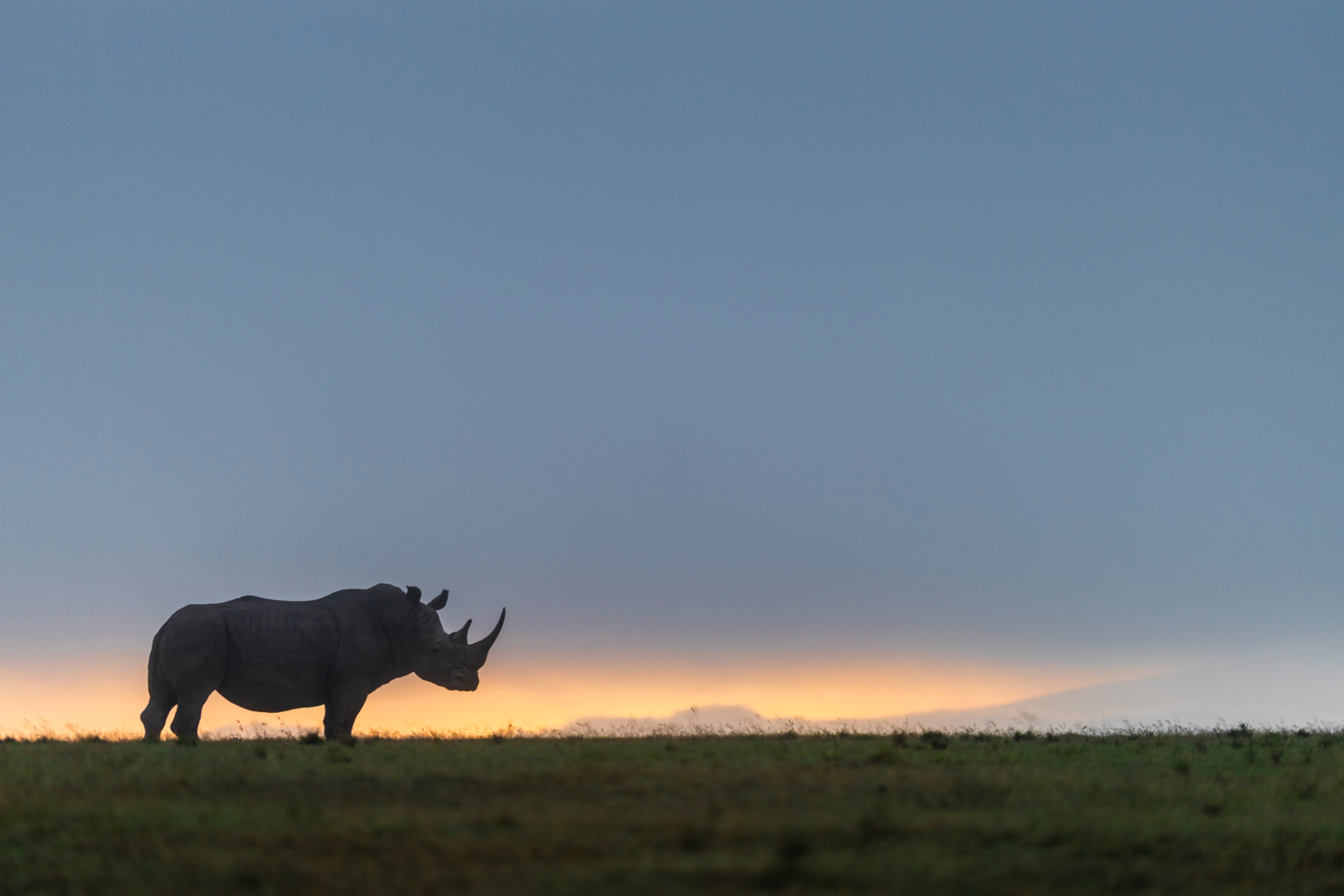
Sometimes they are tiny shapes far out on the plains. Sometimes they are suddenly much closer. Mothers with calves, animals resting, feeding, disappearing into grass, crossing through dust or standing almost completely still in the last light.
I have photographed them there for years and I still do not feel finished.
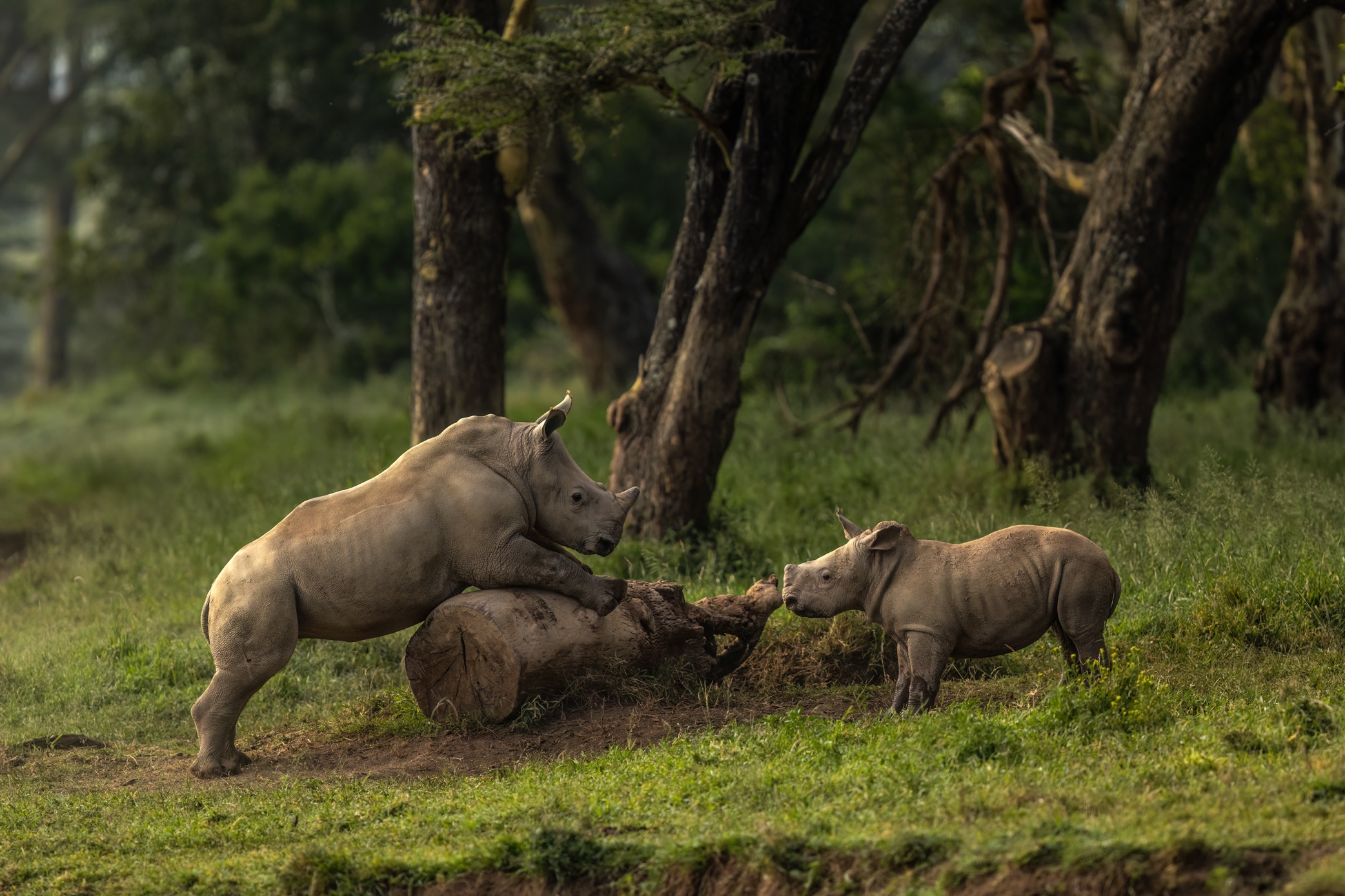
The orphanage changed the way I photographed Solio.
Out on the reserve, everything happens at a distance and on the animals' terms. Here the work becomes much closer: feeding, checking, cleaning, watching, waiting, and the routines that happen every day whether anyone is there to photograph them or not.
I became interested in those quieter moments as much as the animals themselves.
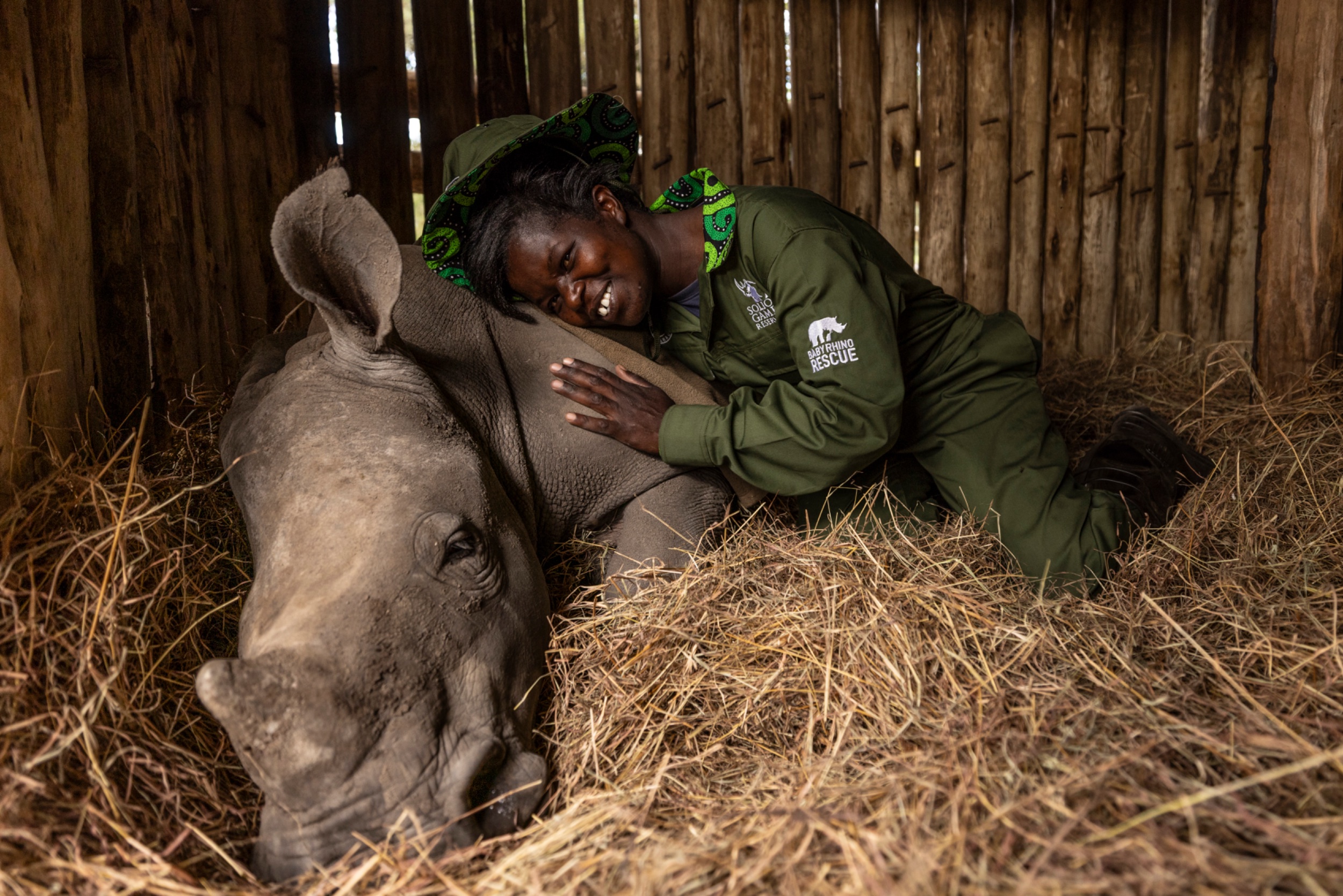
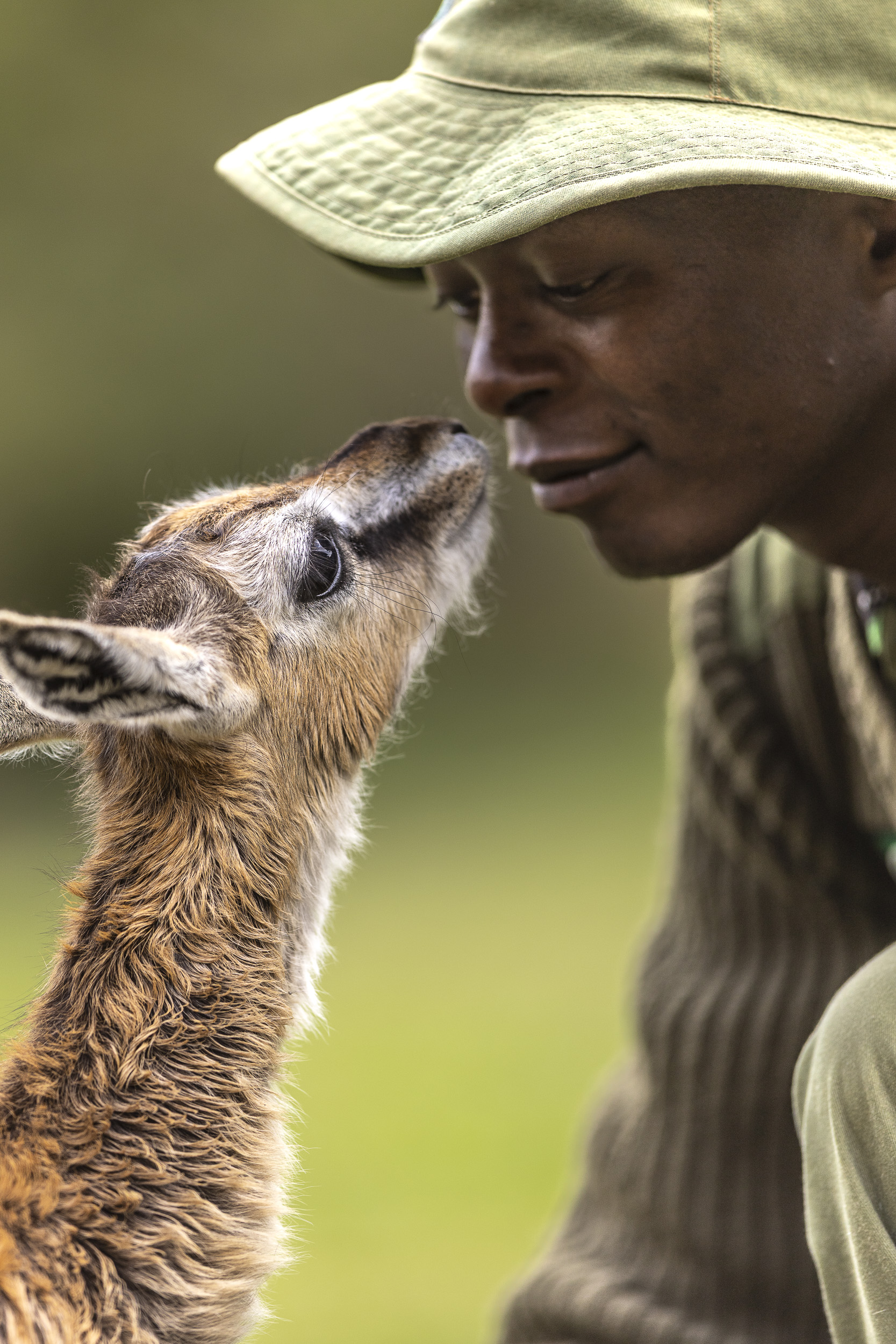
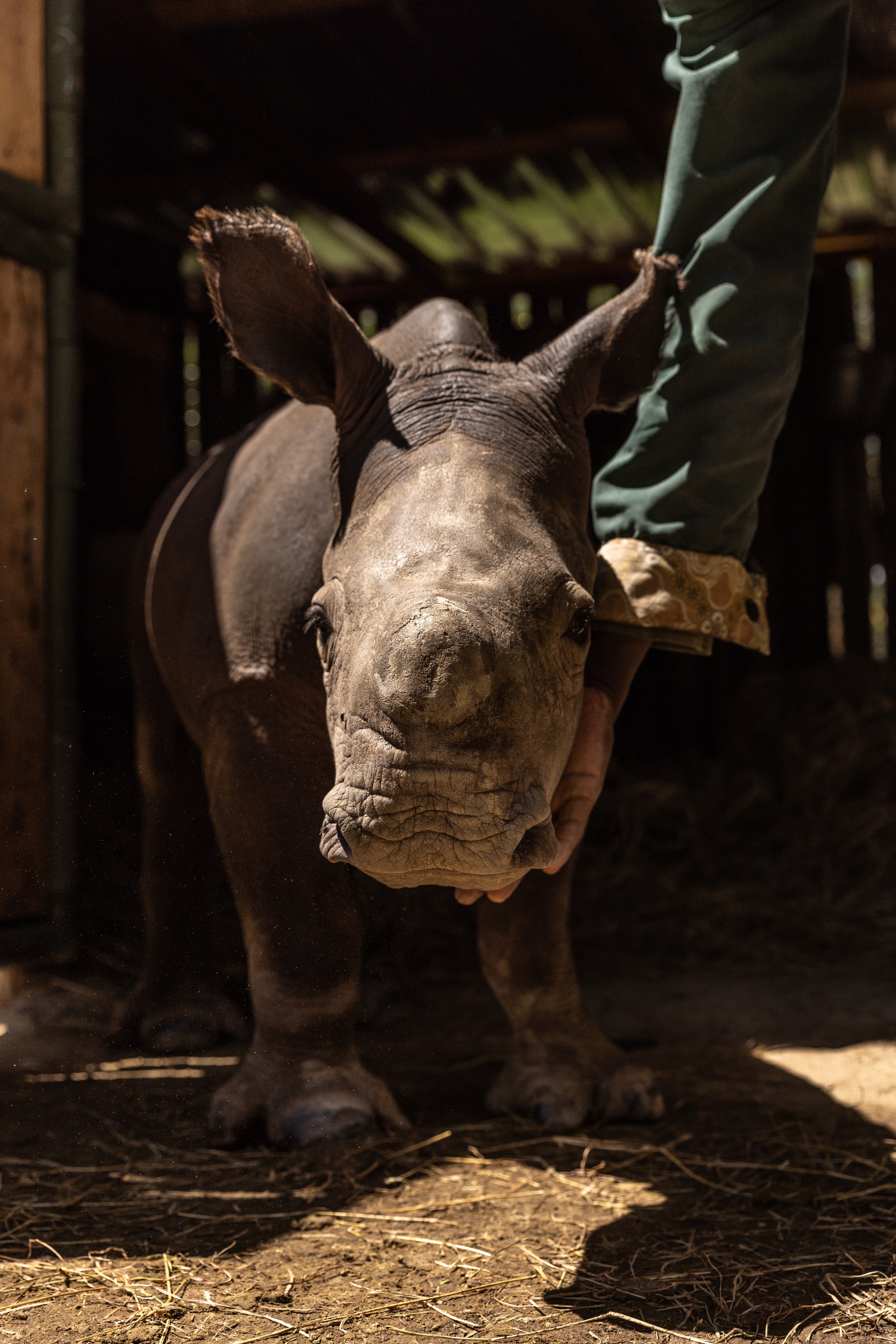
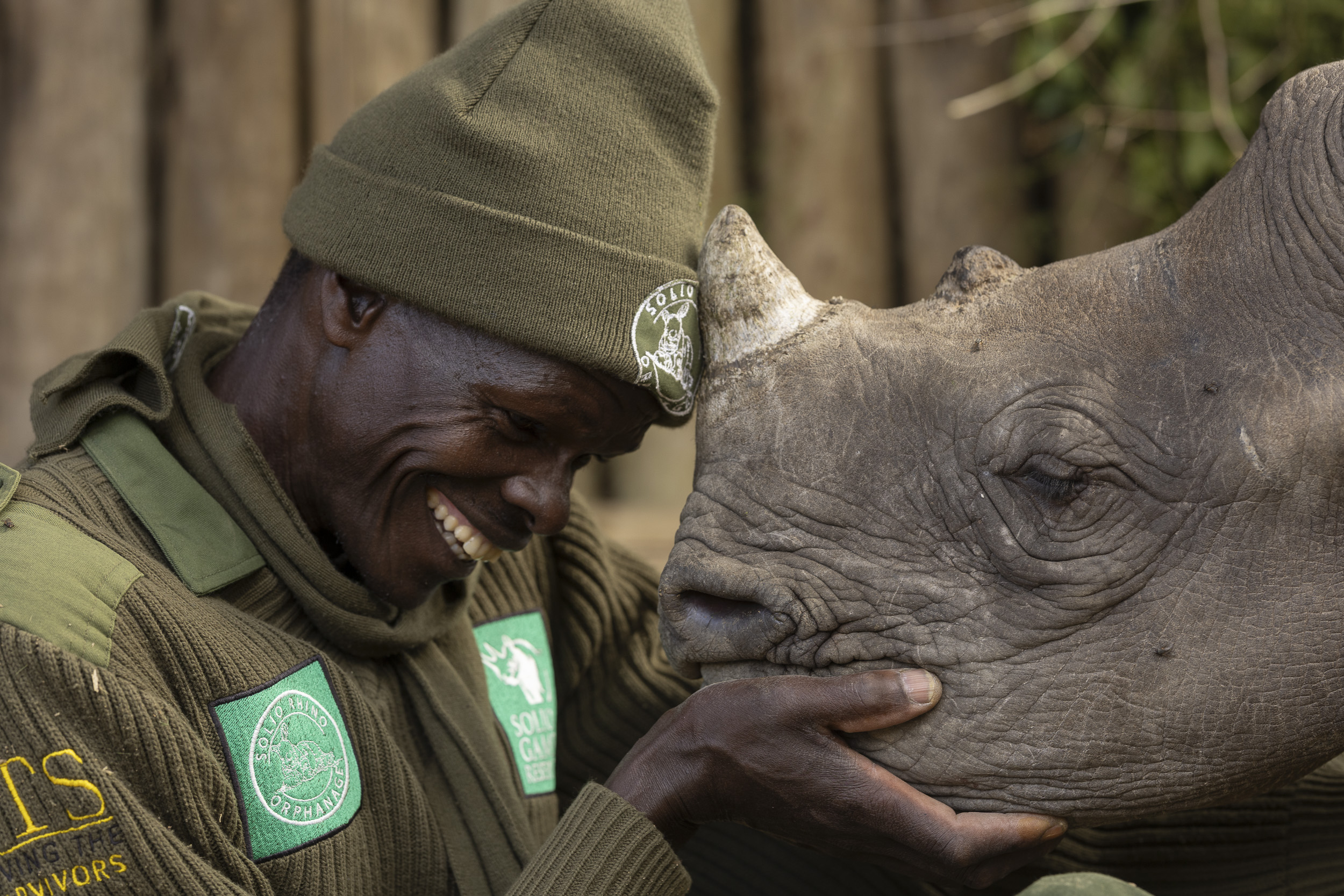
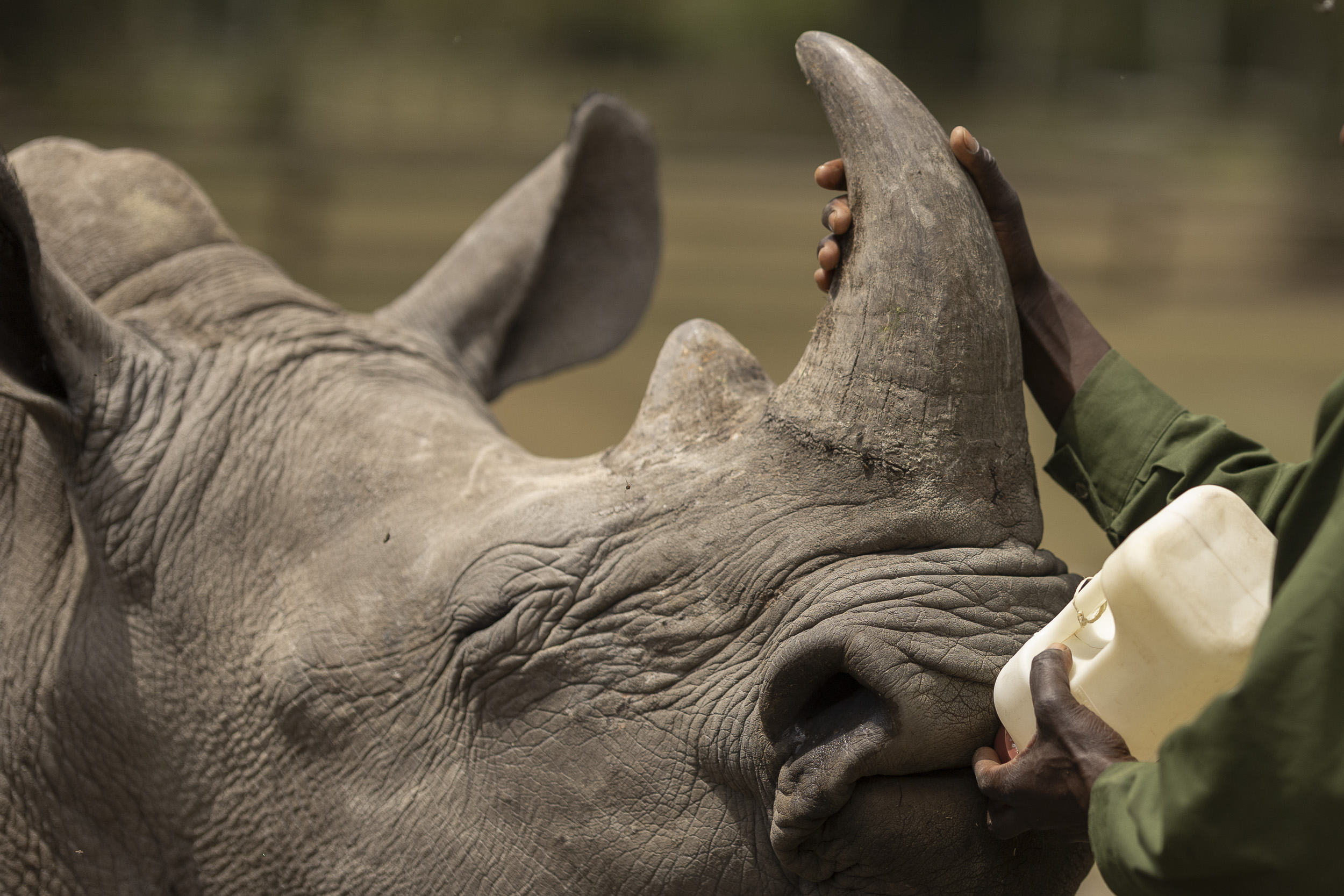
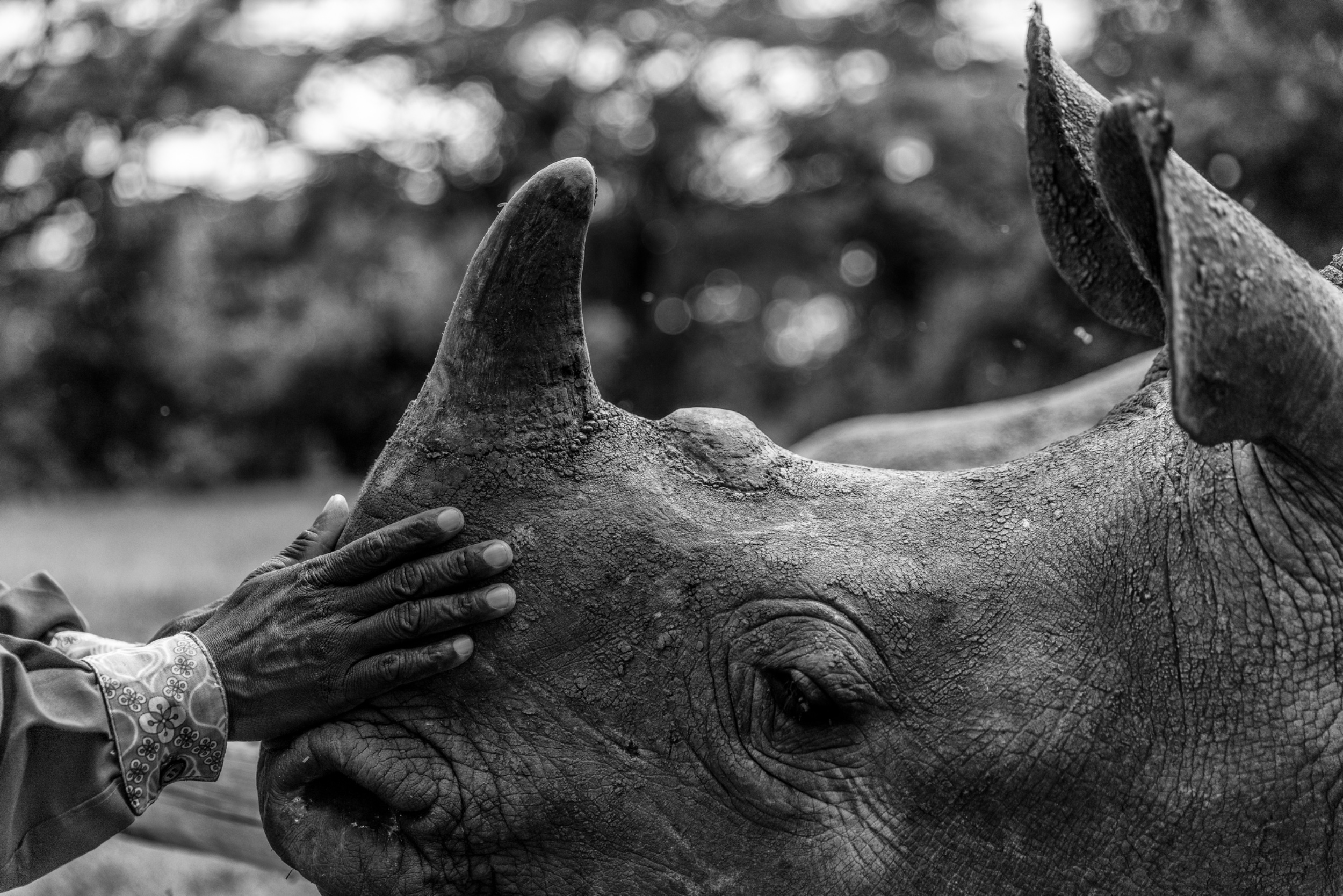
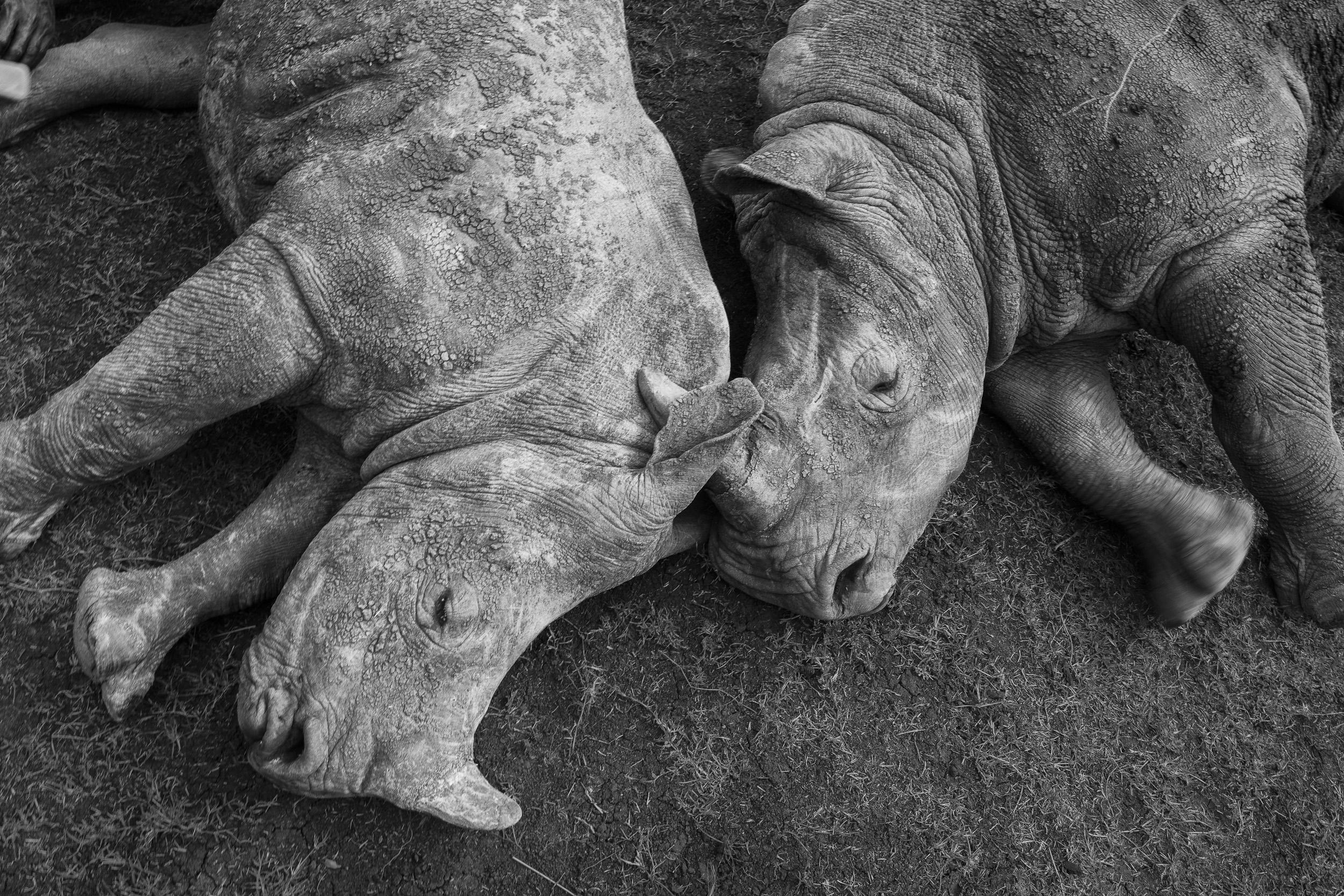
The longer I stayed, the more the story widened beyond the animals.
There is always something being built, repaired, prepared, cleaned, planted or carried. Much of the work is routine, physical and often unseen. I wanted to photograph people while they were actually doing it, without asking them to perform for the camera.
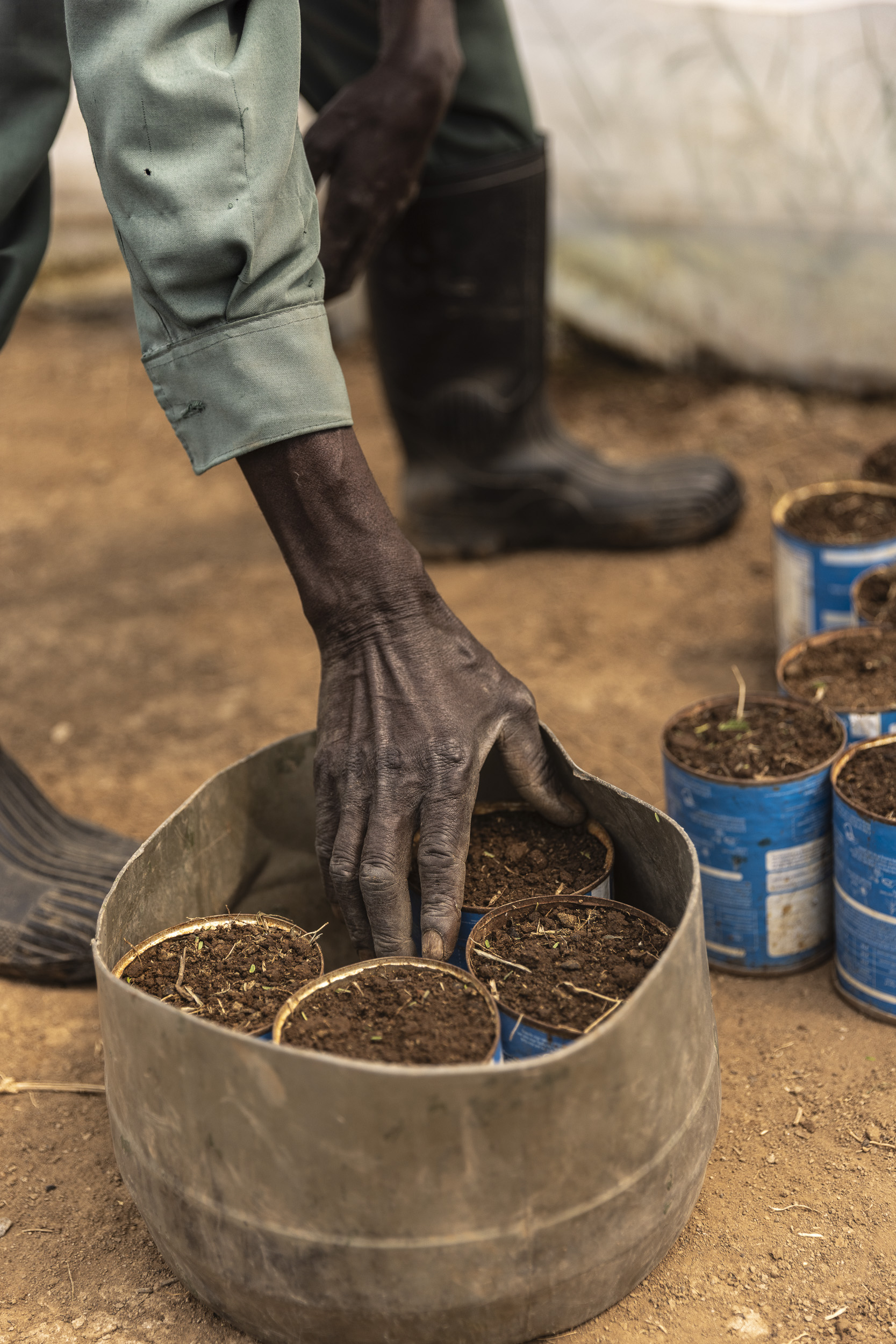
I ended up photographing sparks, sawdust, hands in soil, milk being prepared. Things I probably would not even have noticed on my first visits.
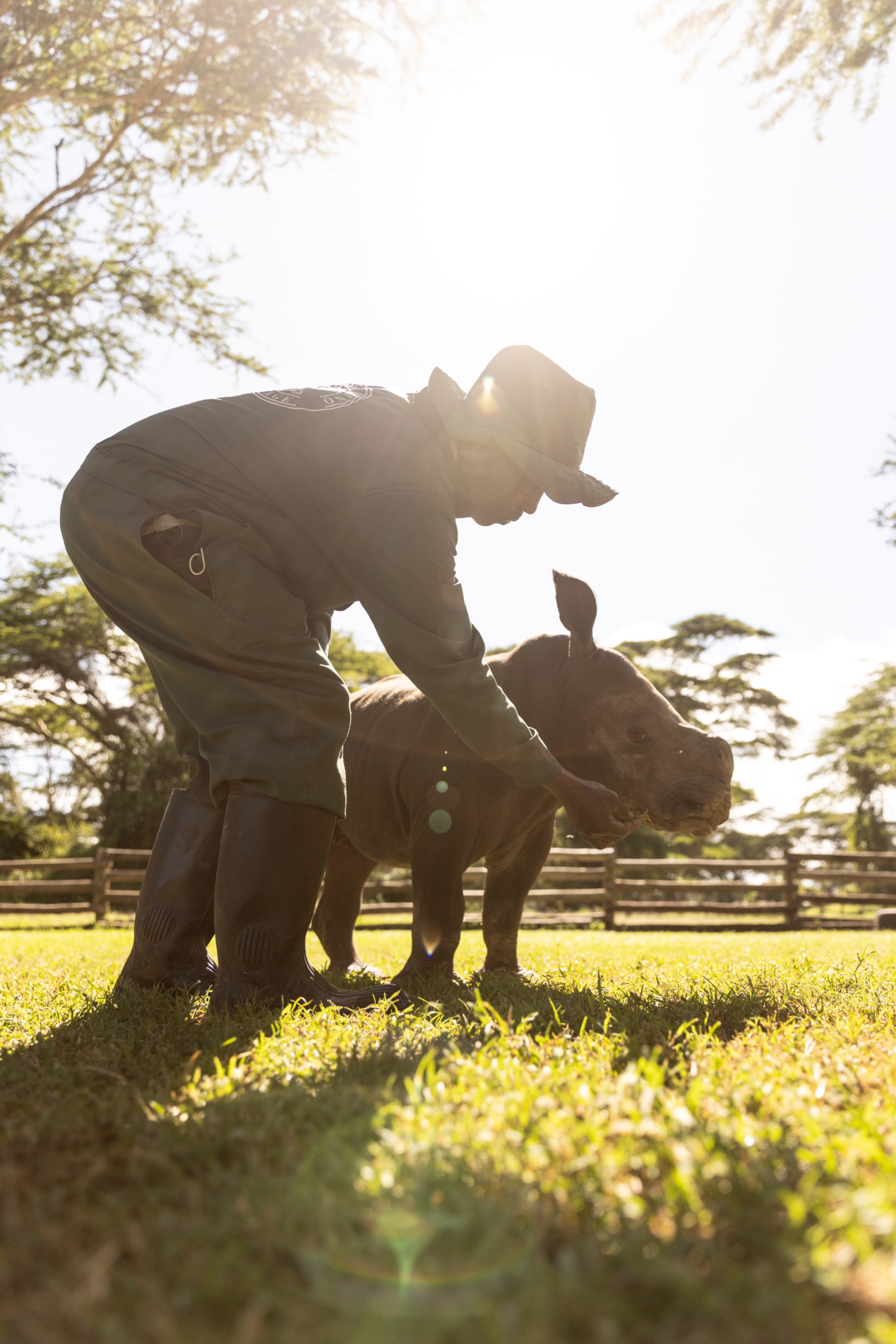
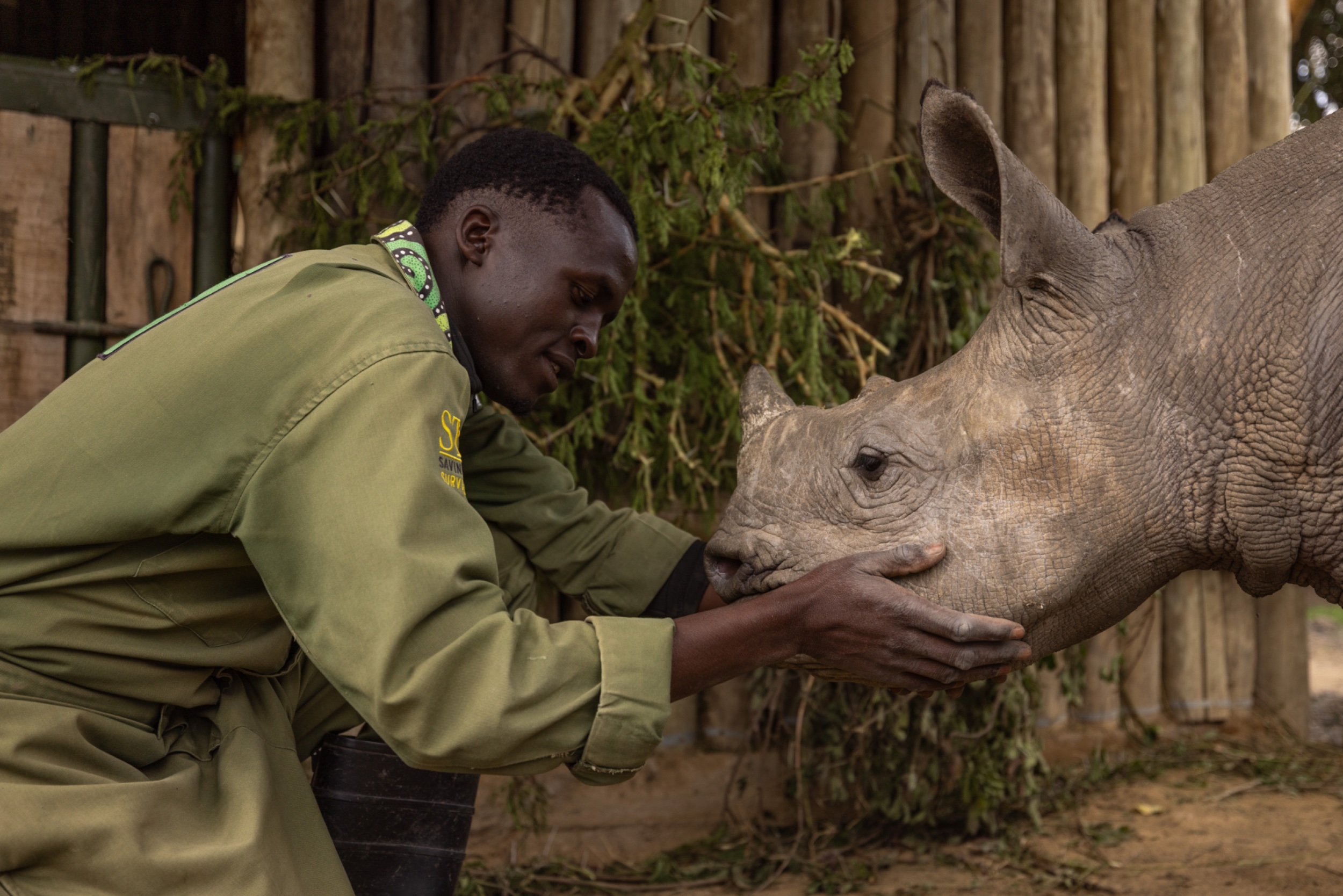
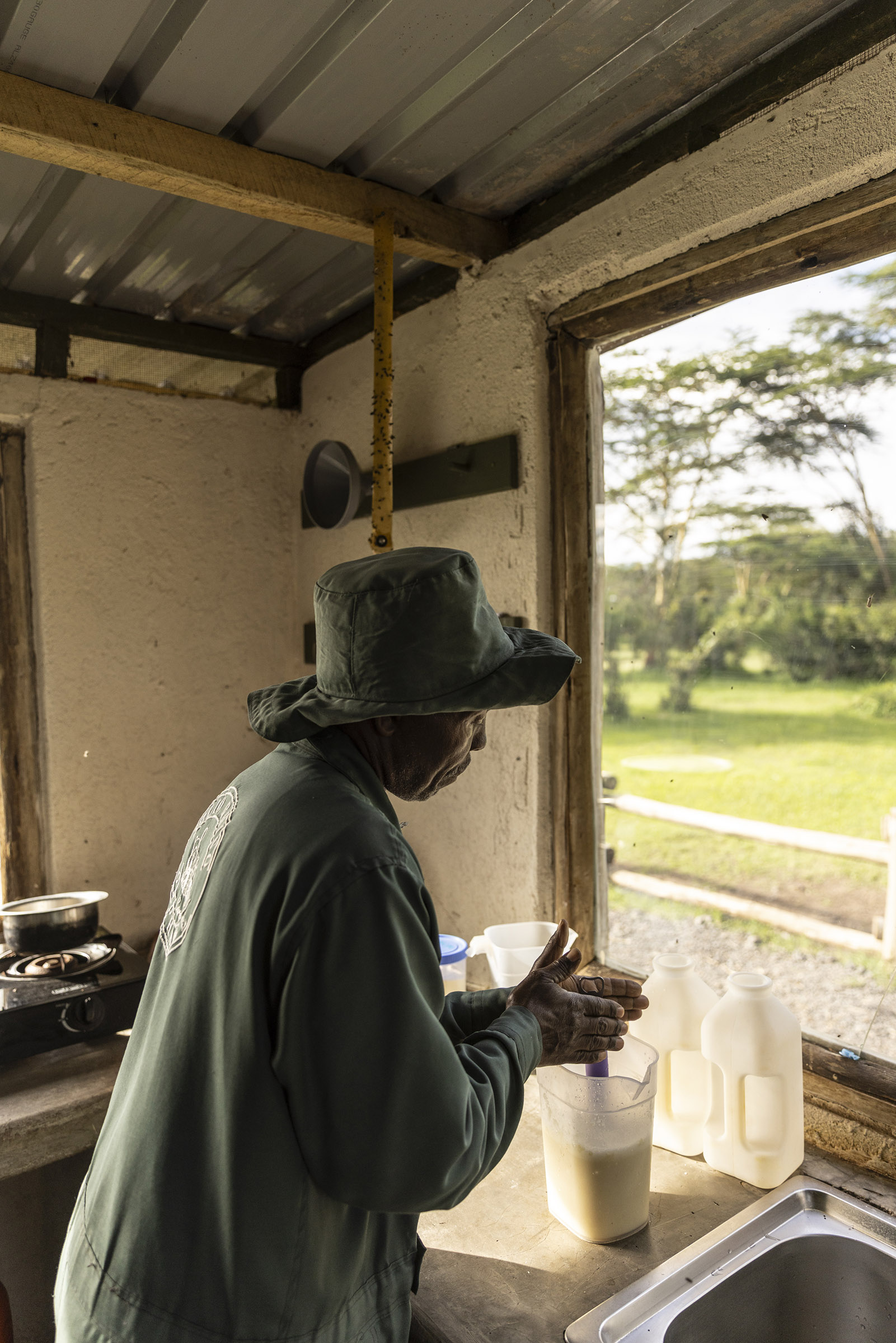
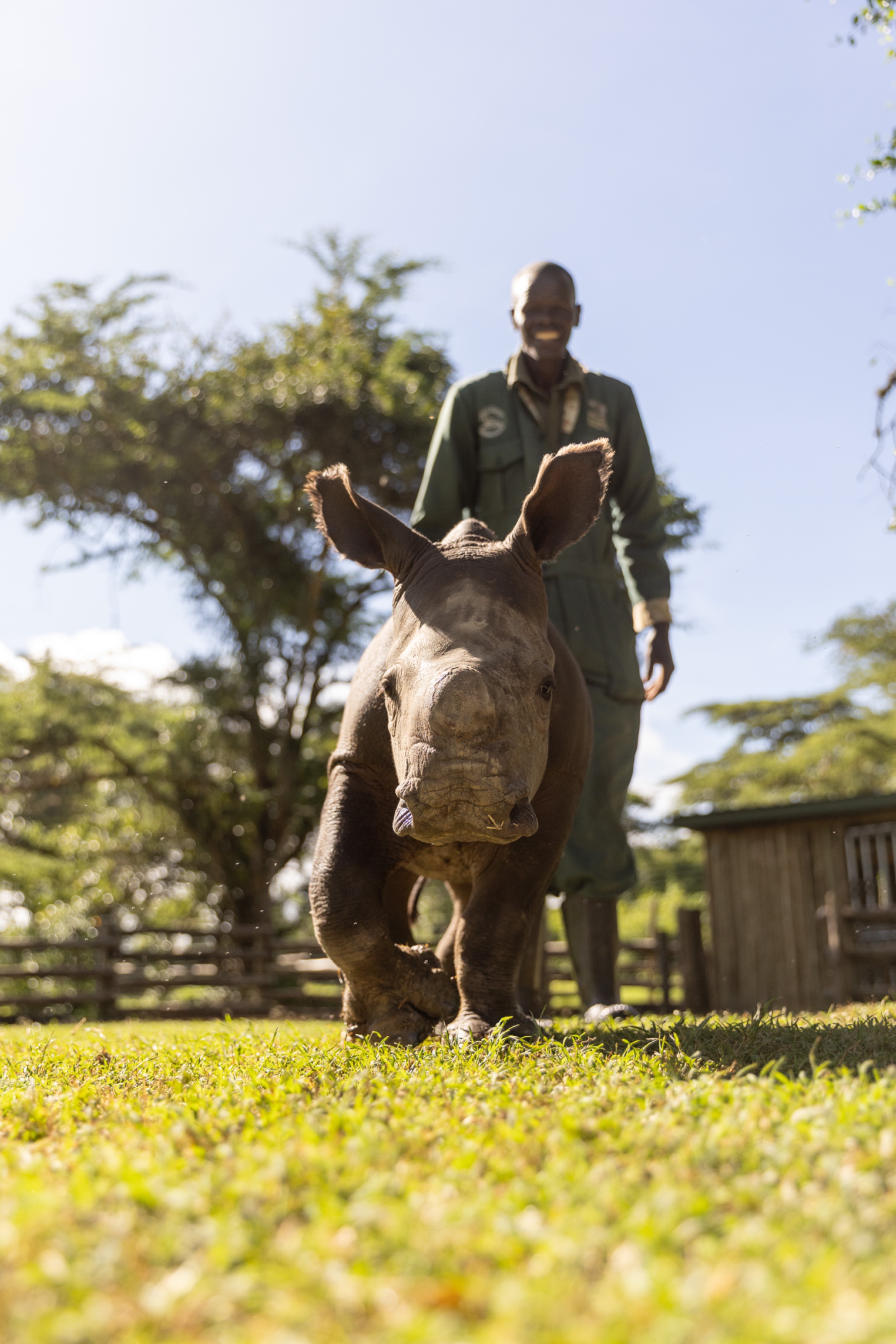
Some of the work is much quieter.
Seedlings are handled one by one, small enough at first to fit into reused tins. I found myself photographing the hands as much as the plants. It was another part of Solio I would probably have missed if I had only ever come for the wildlife.
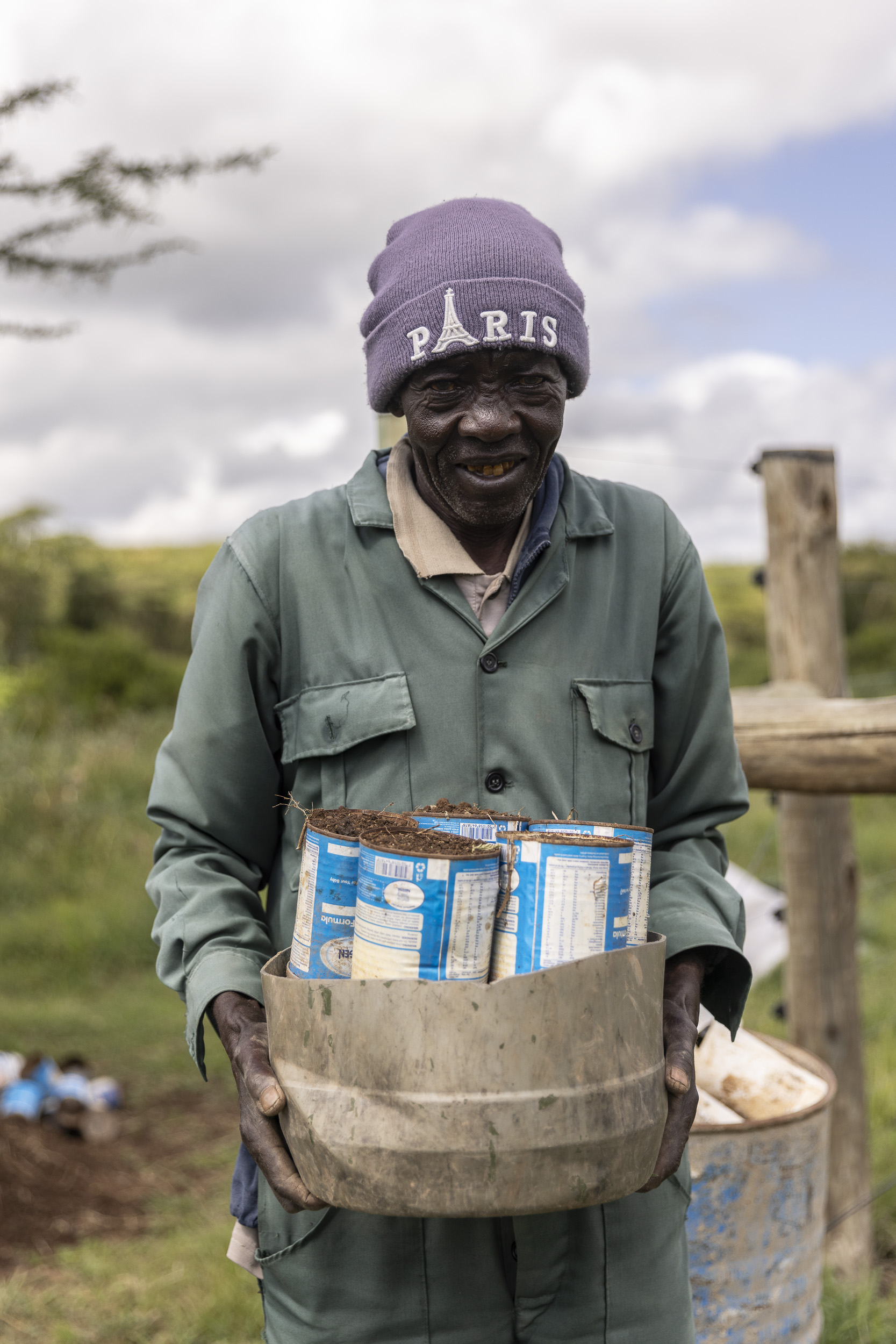
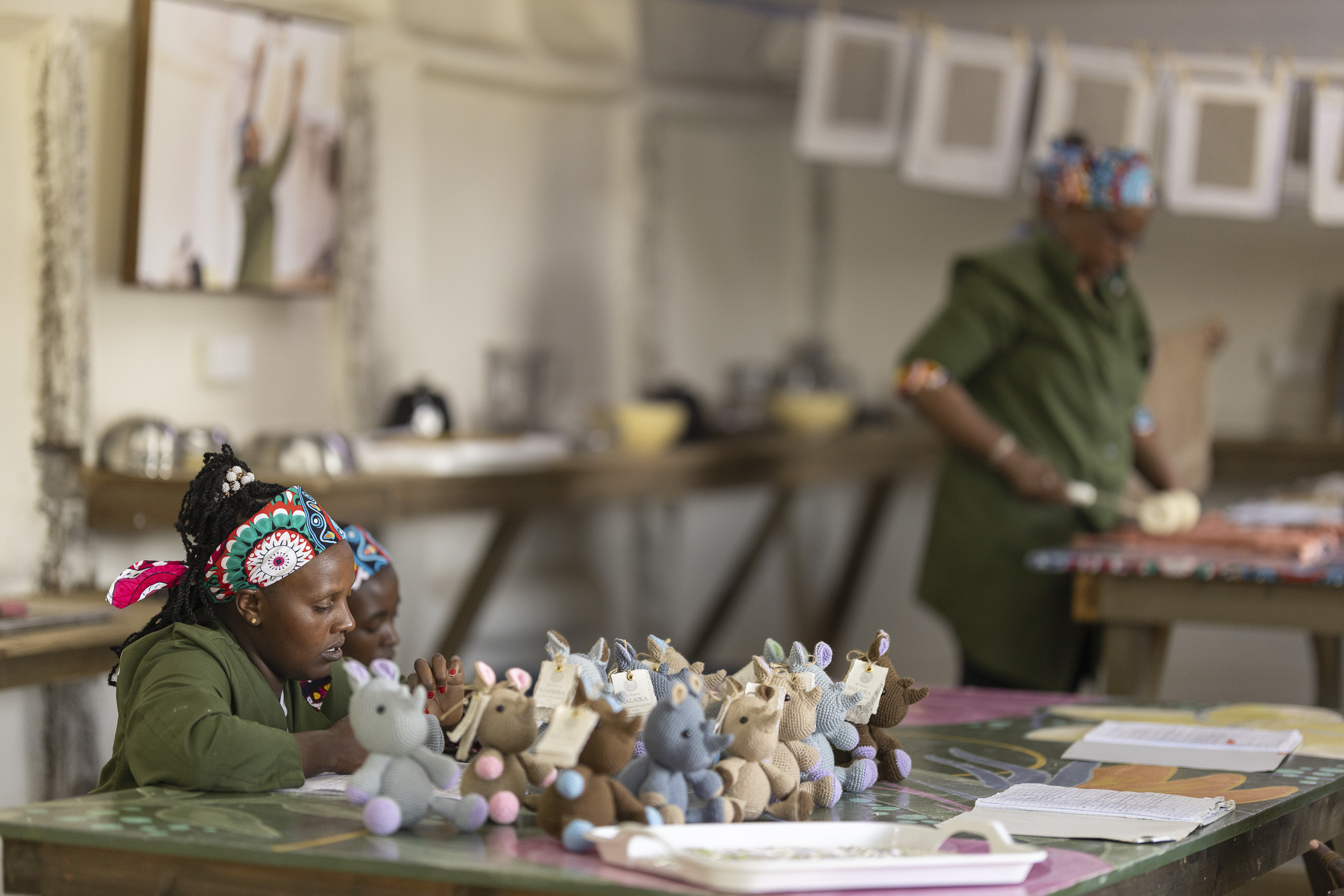
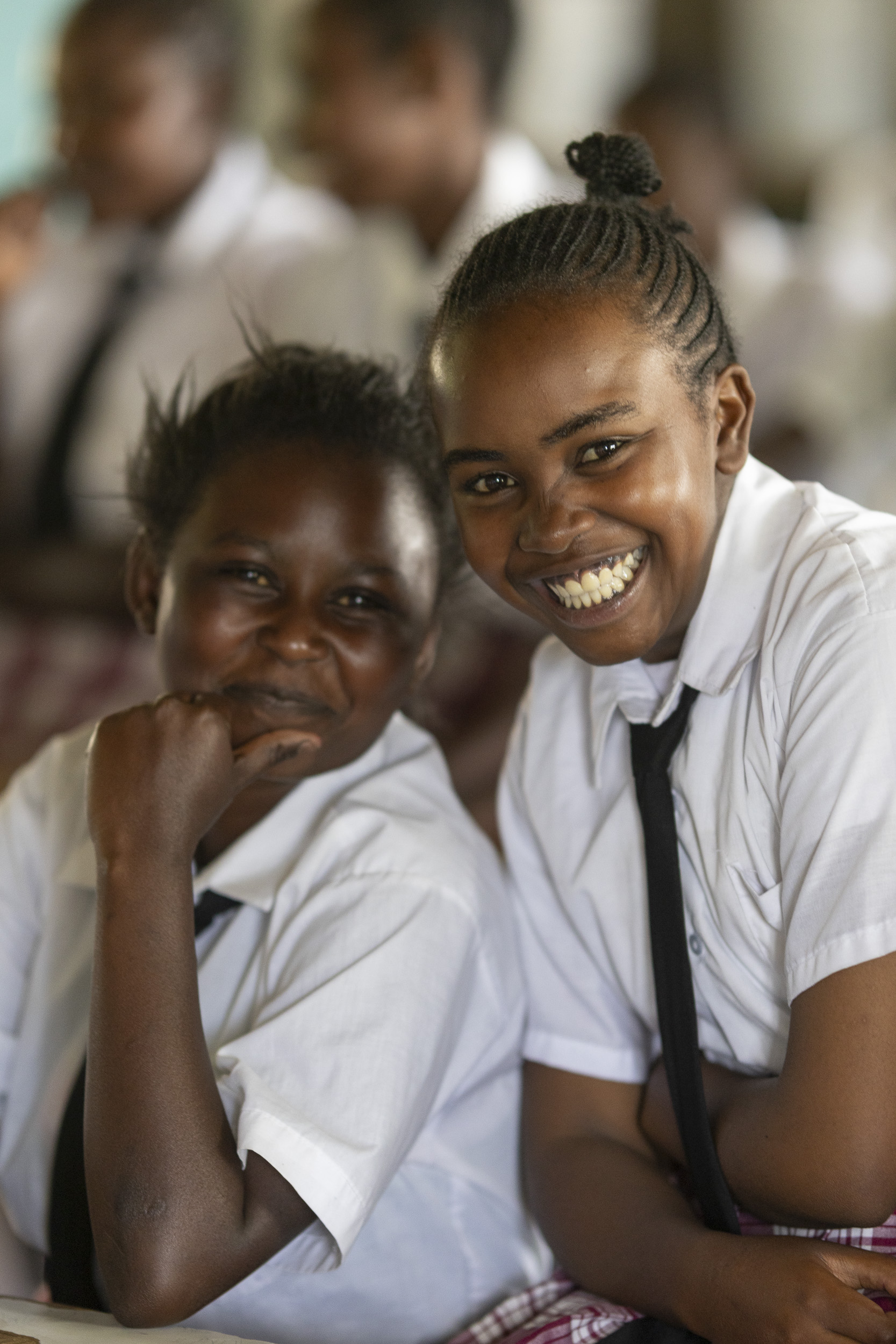
Over time, I also started photographing some of the people and projects around Solio.
A day at school. Women working together. These were very different days from the reserve and the orphanage, but they became part of how I came to know the place.
I began staying out later because Solio changes completely with the light.
The same plain can feel empty in the middle of the day and almost unreal an hour before dark. Backlight catches dust. Animals disappear into silhouette. A storm can change everything in minutes.
Some of my favourite photographs from Solio happened when there was almost no light left.
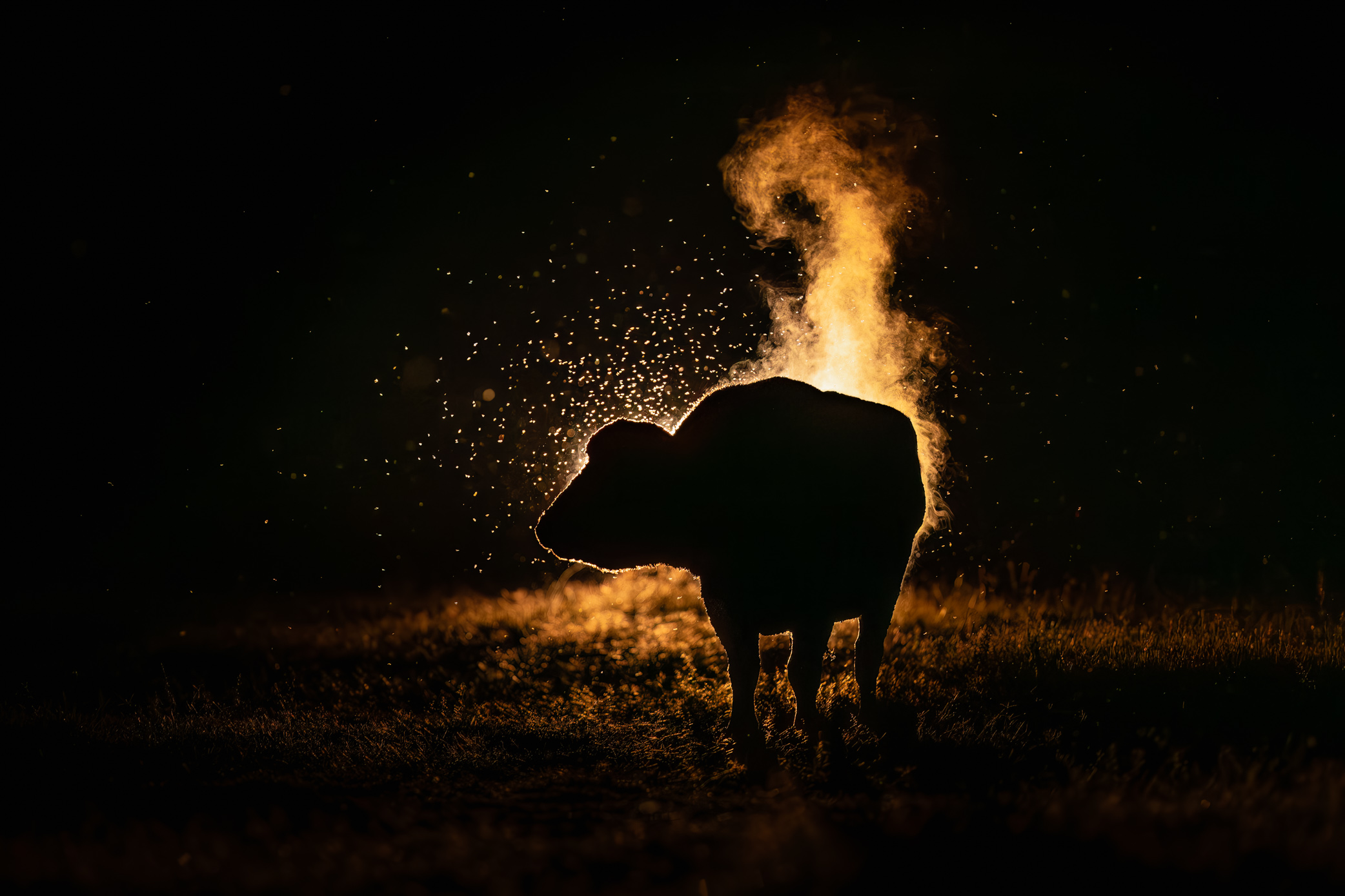
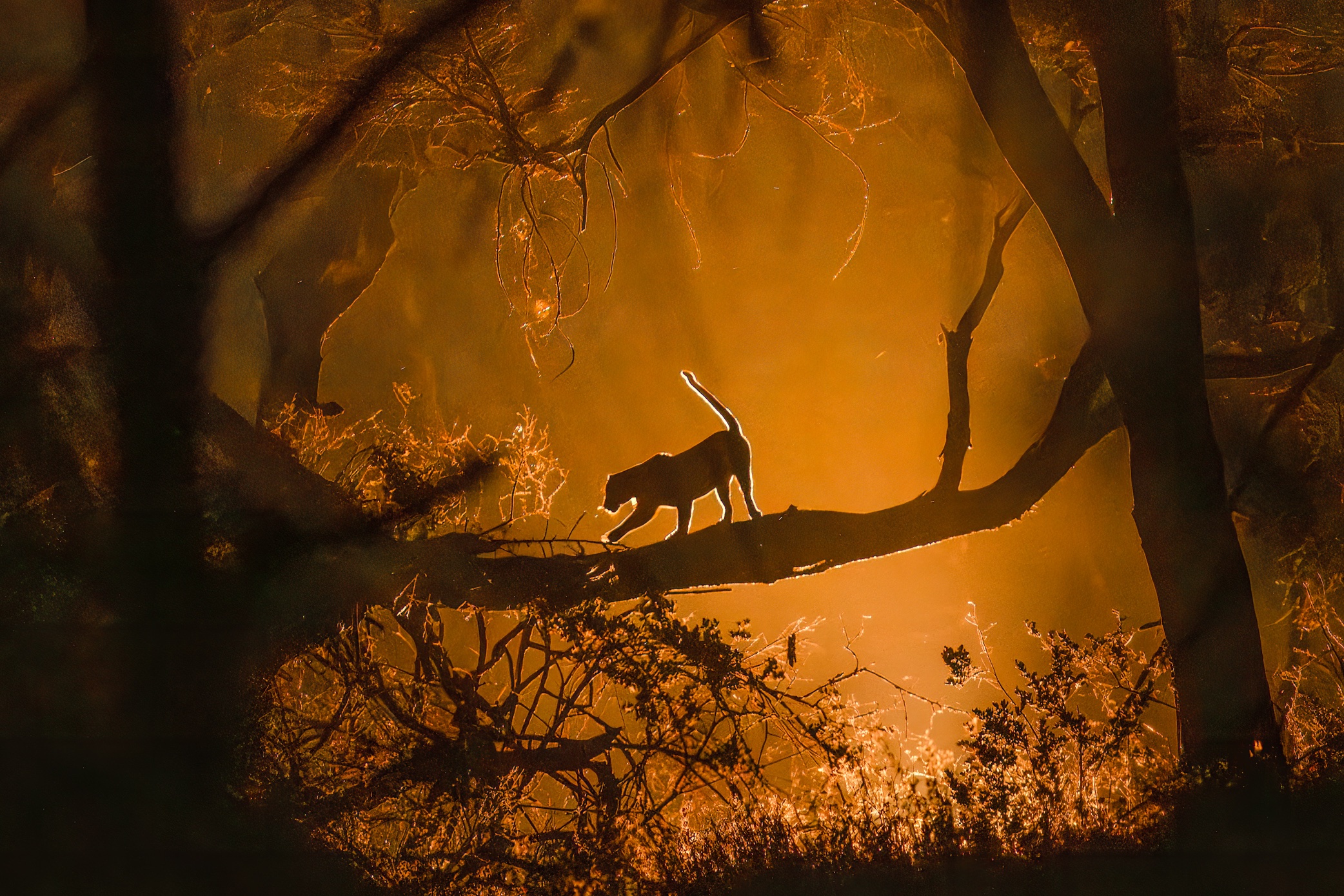
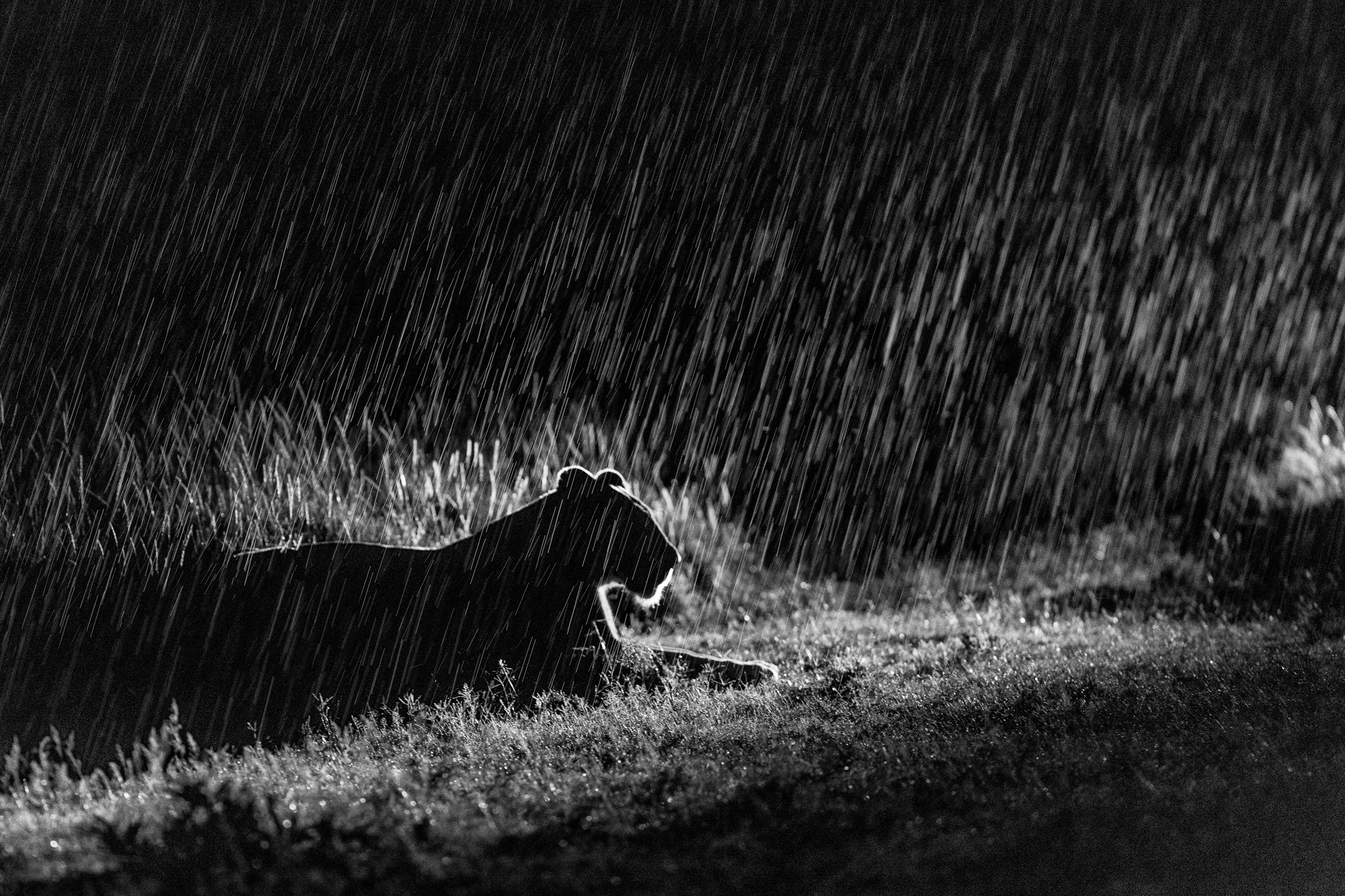
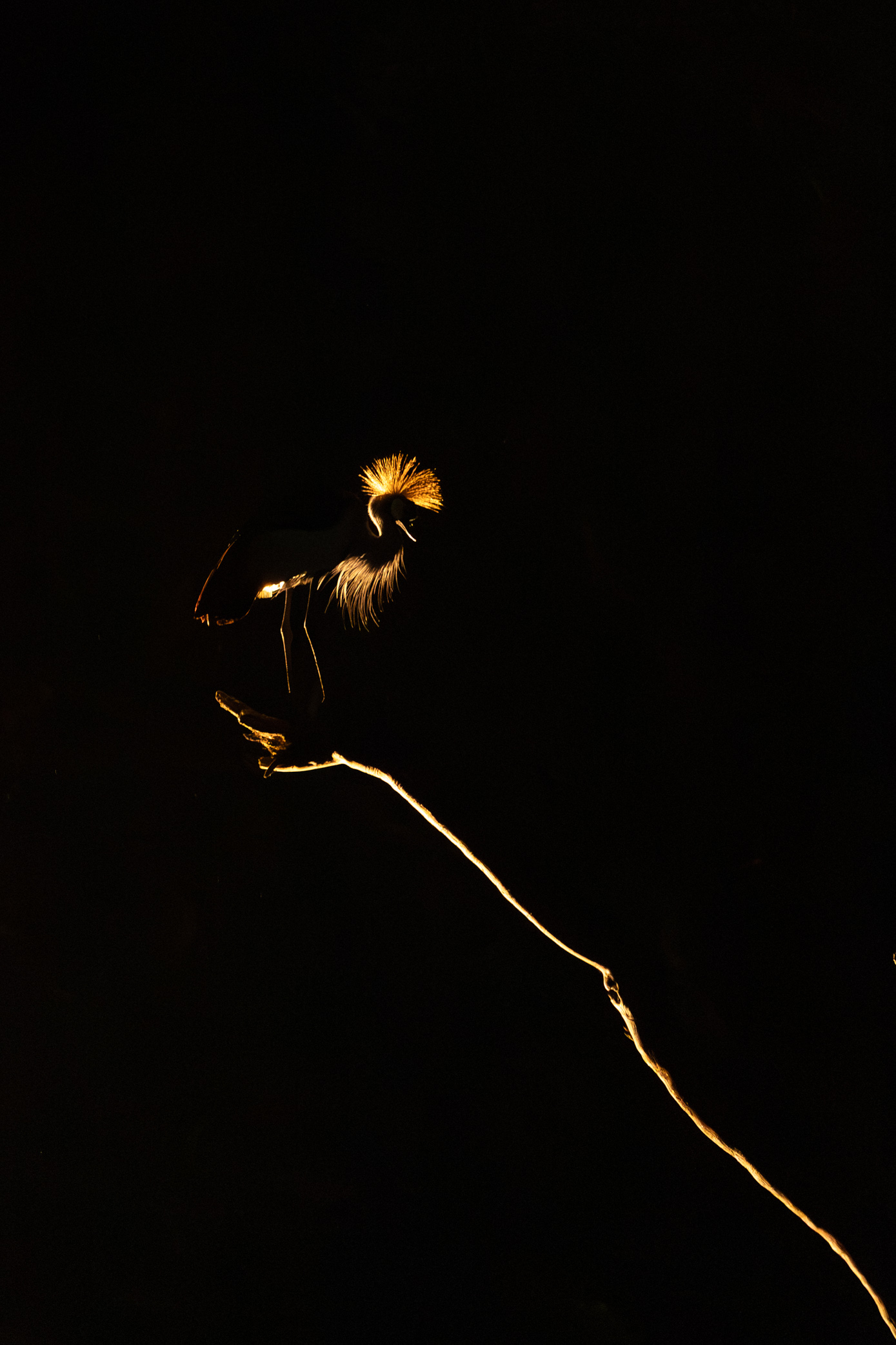
After dark, the reserve becomes difficult to read.
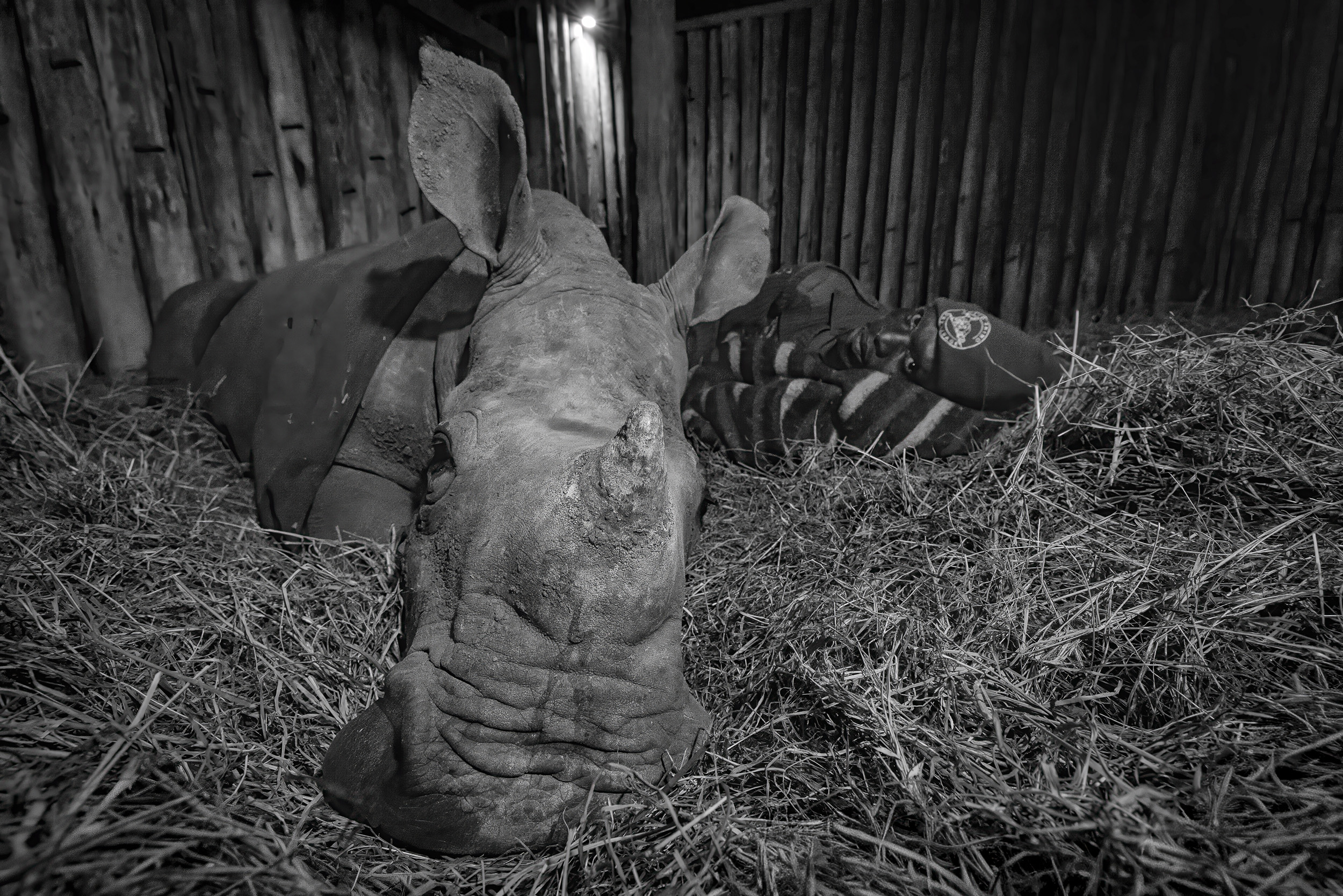
You see only pieces of it. An eye catches the light. A shape appears at the edge of the road. The orphanage settles into its night routine. Trees and buildings that are familiar during the day suddenly look completely different.
I started photographing those hours because they felt like another side of the same place.
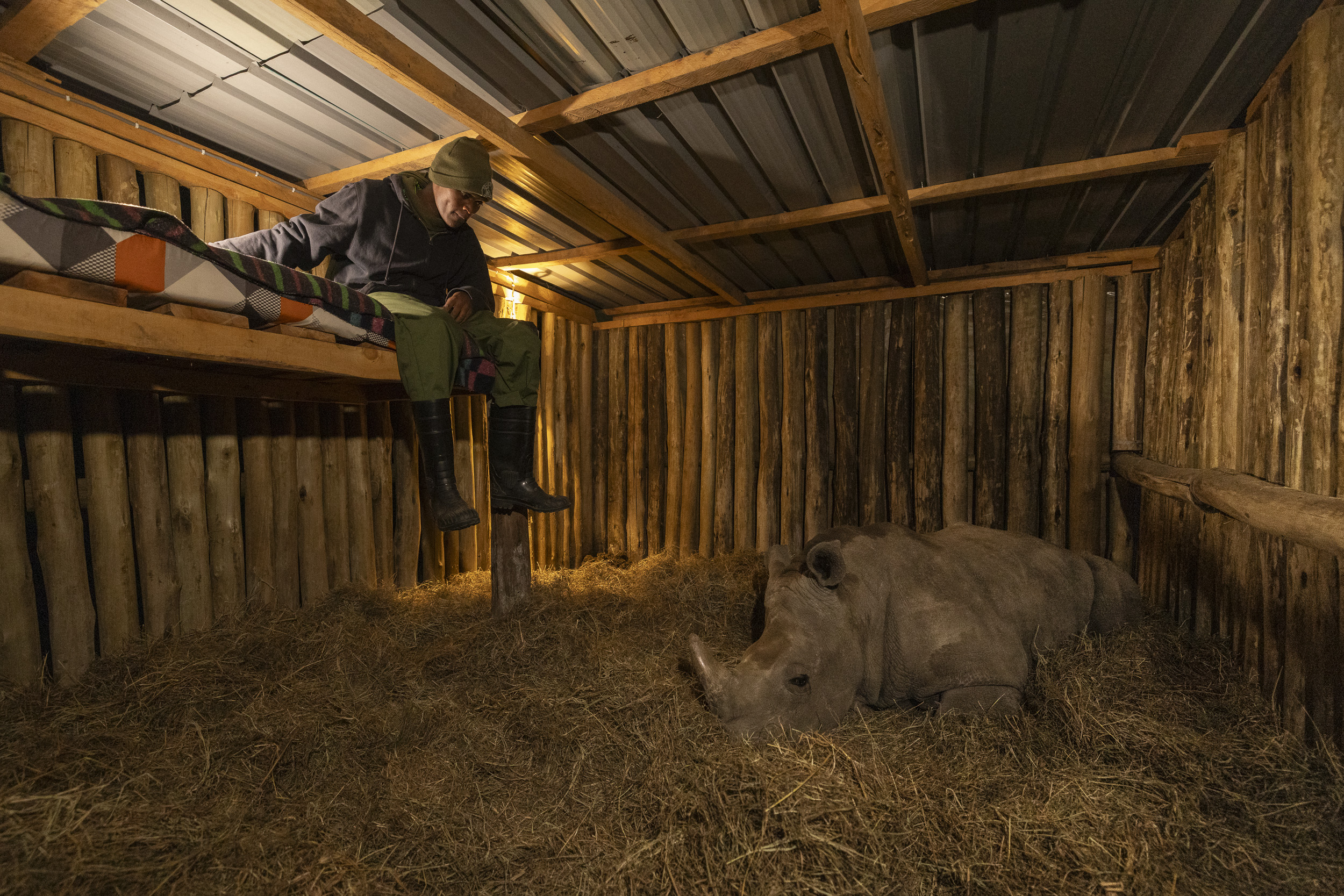
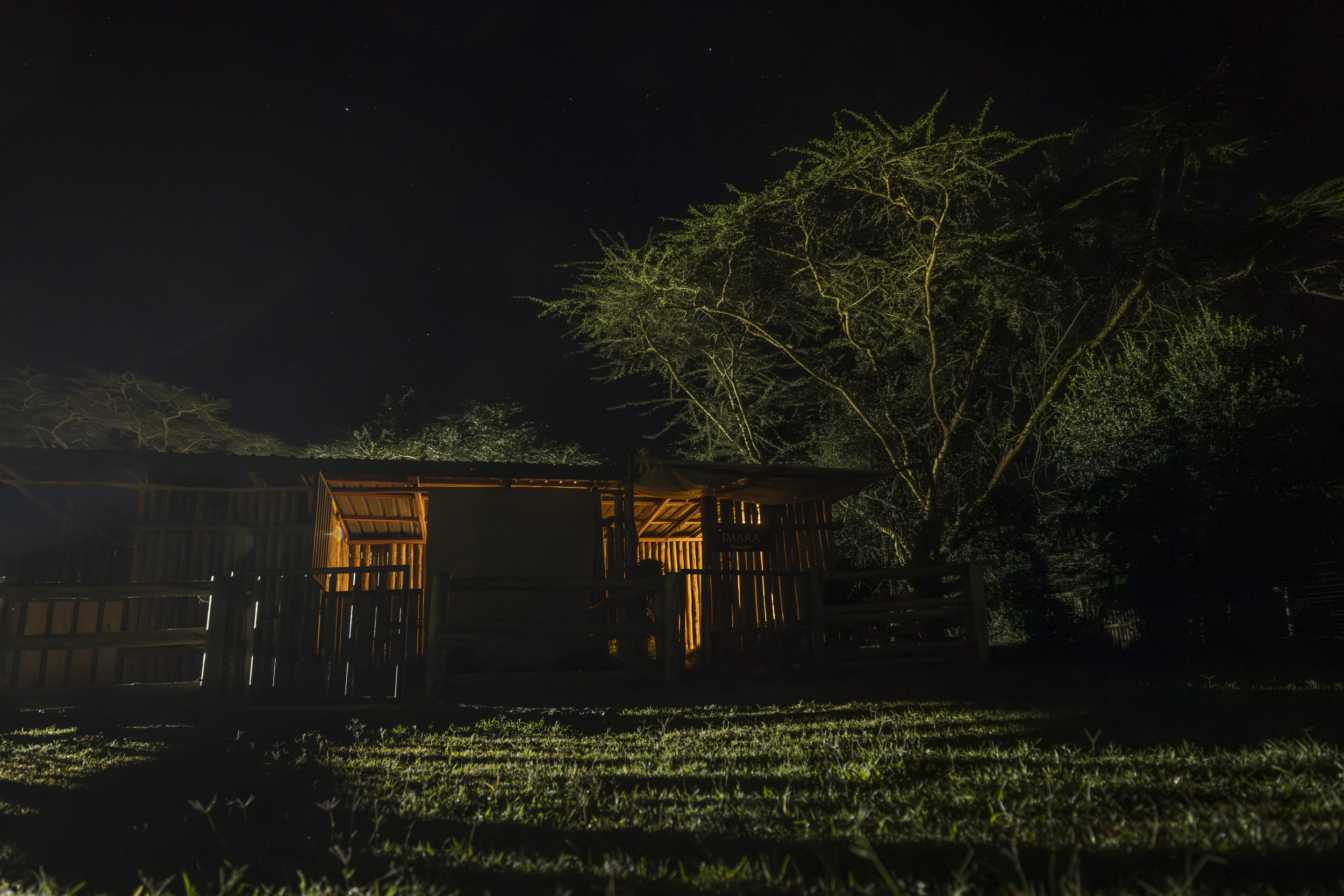
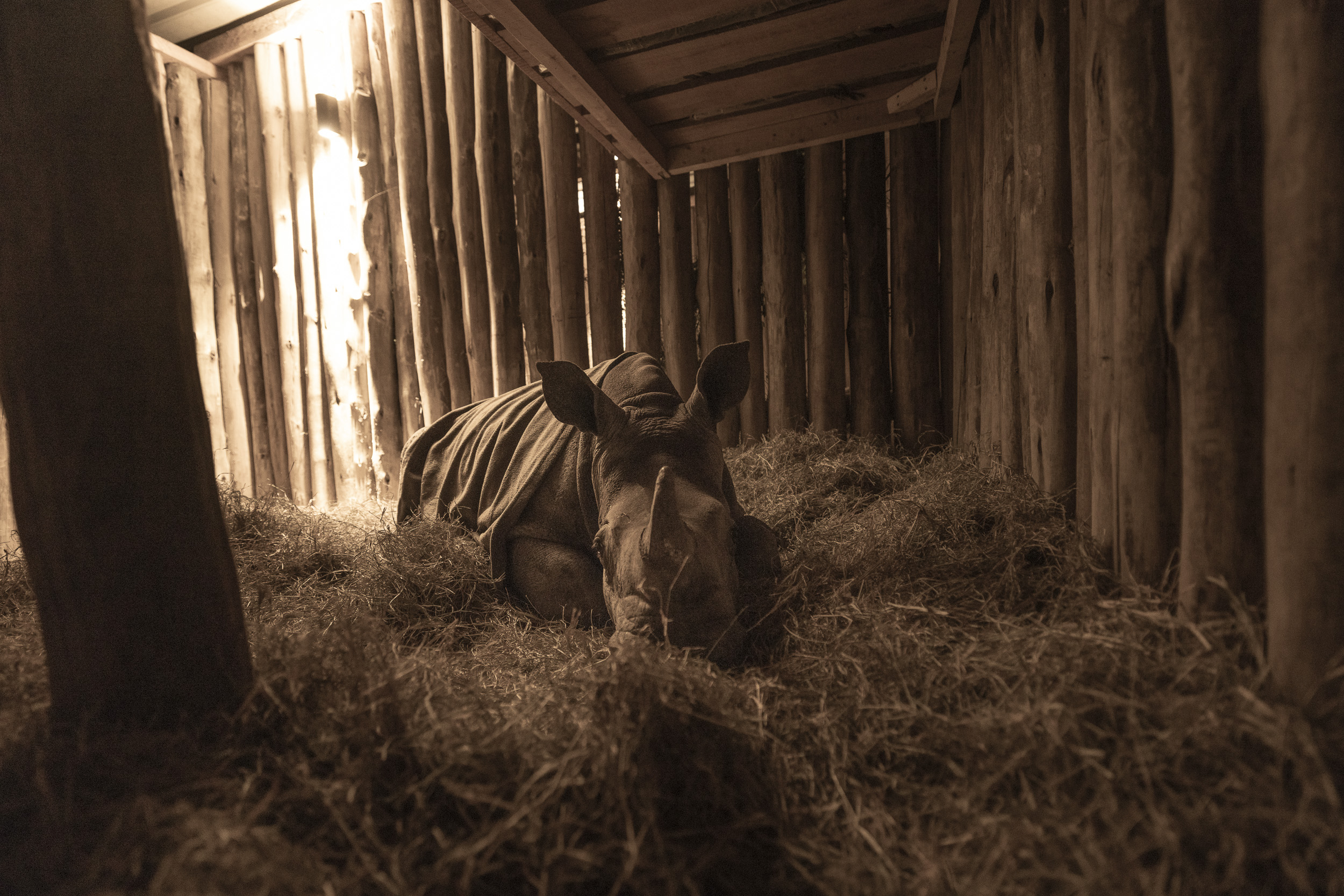
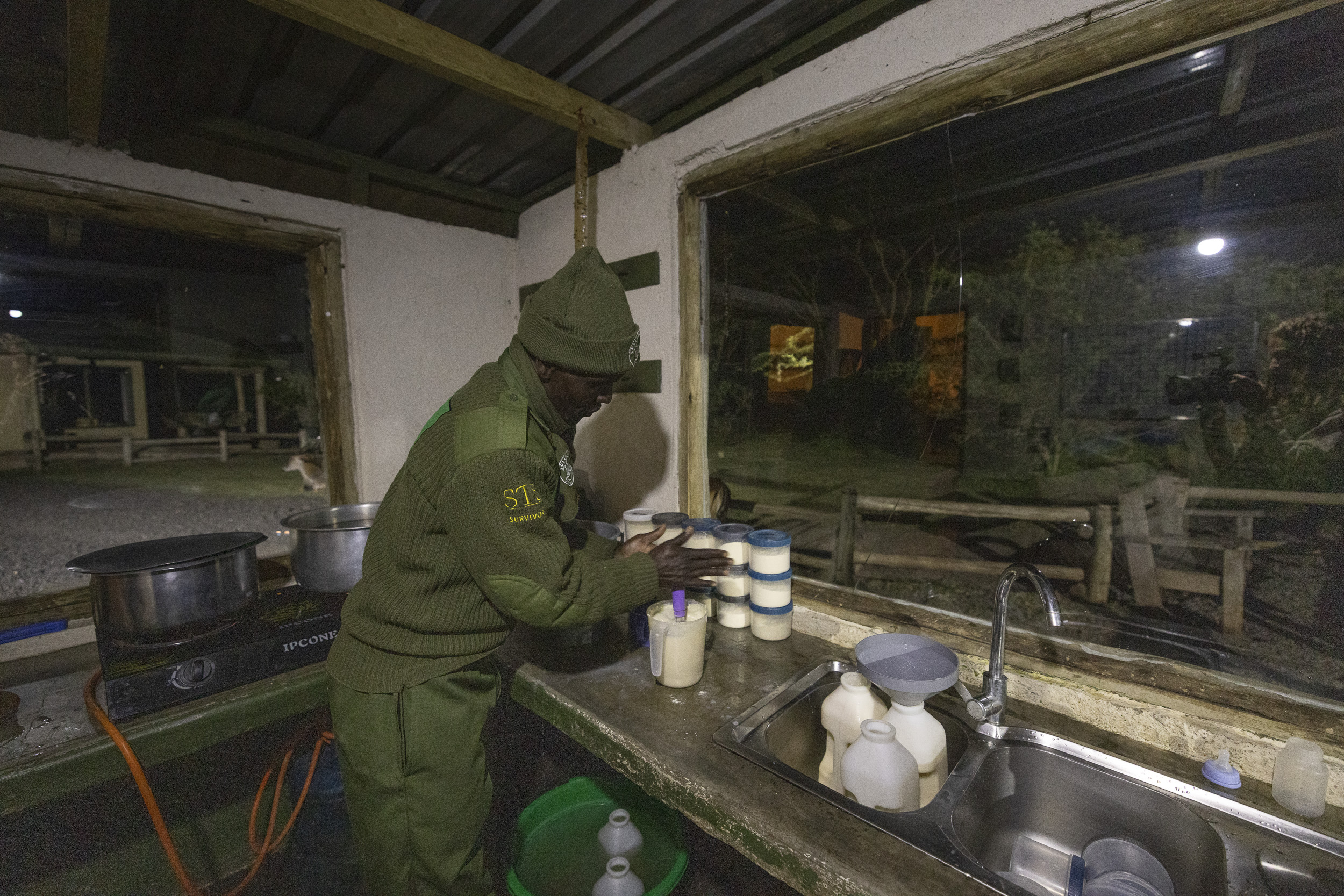
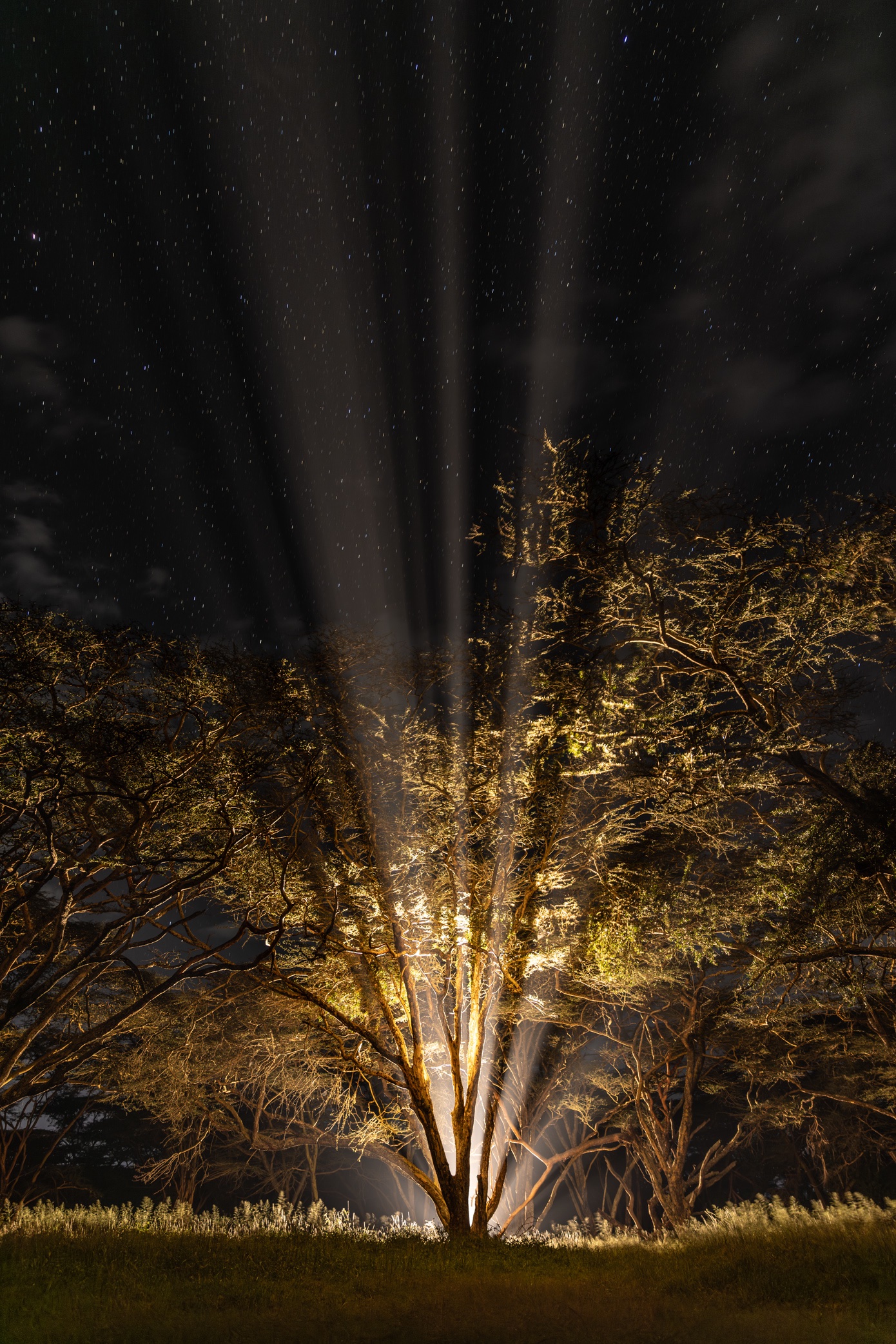
Solio after dark.
After a while I stopped looking only for the big moments.
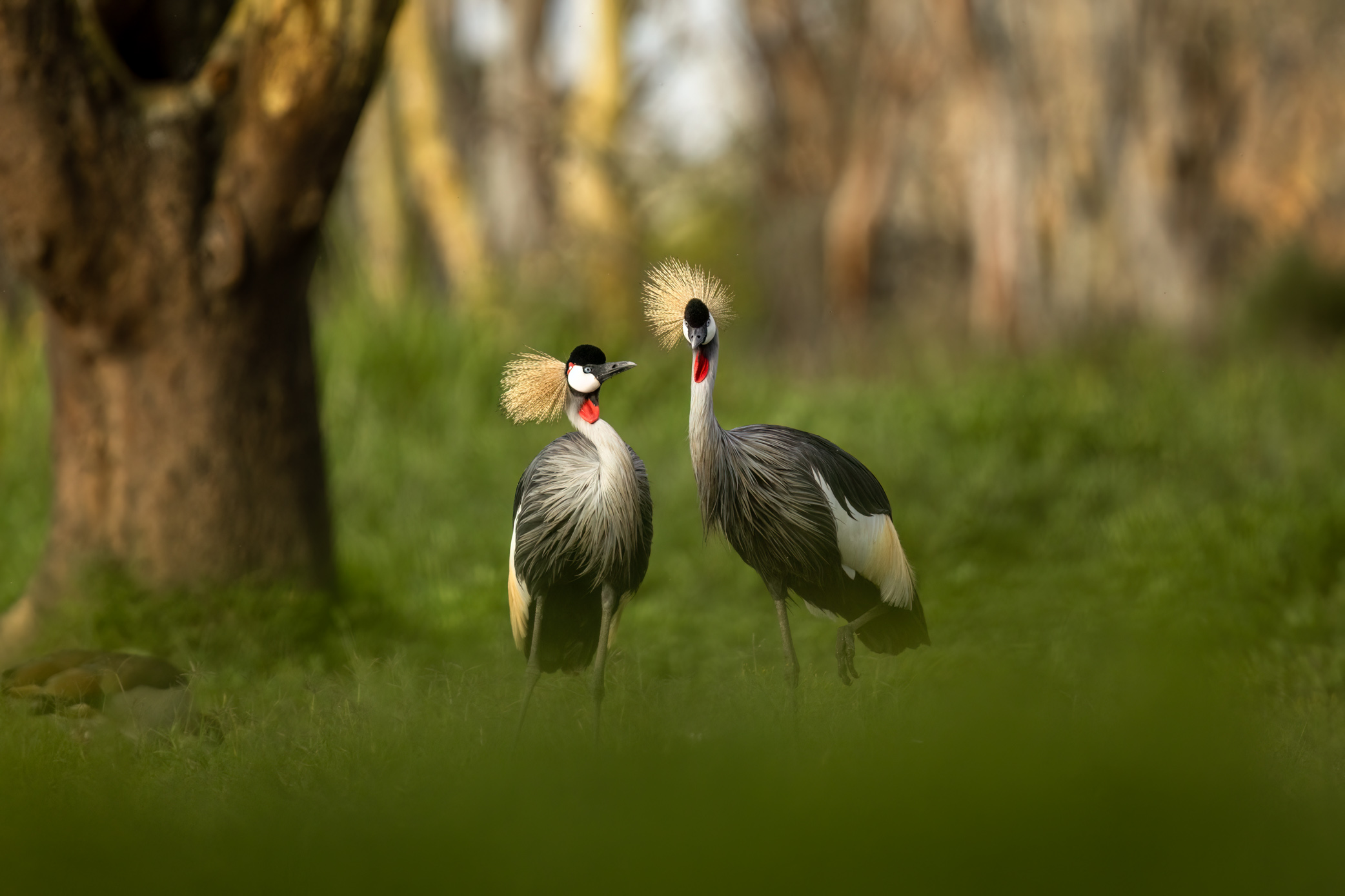
I photographed whatever caught my attention: crowned cranes in the grass, a rhino asleep in the stall, a quiet moment before the work started again. None of it was planned. These were simply things I noticed because I had time to stay.
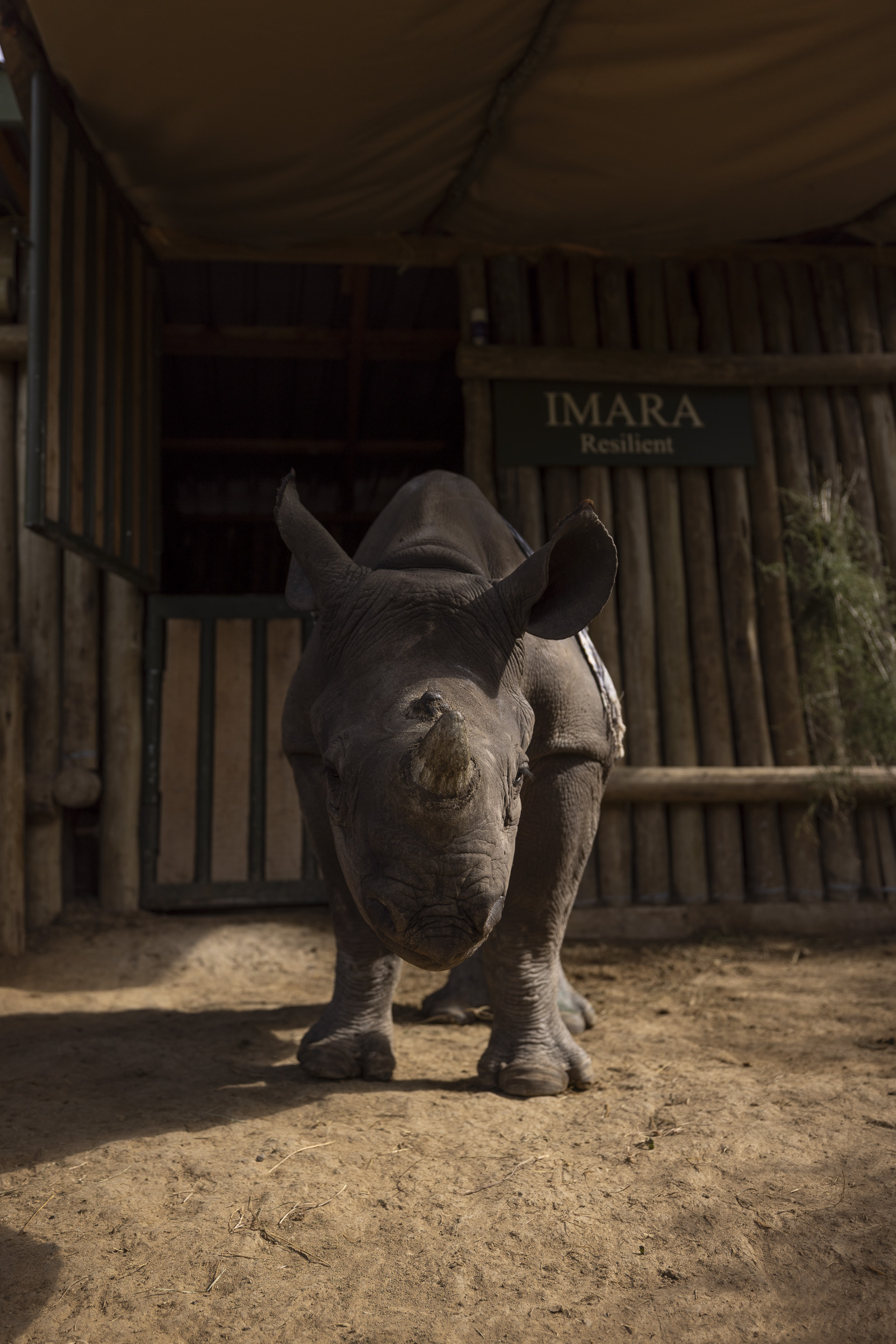
I have spent many weeks at Solio over the years, roughly two months on location altogether, and I still leave with photographs I did not manage to make.
That is probably why I keep going back.
Knowing a place well does not make it smaller. It gives you more to look for.
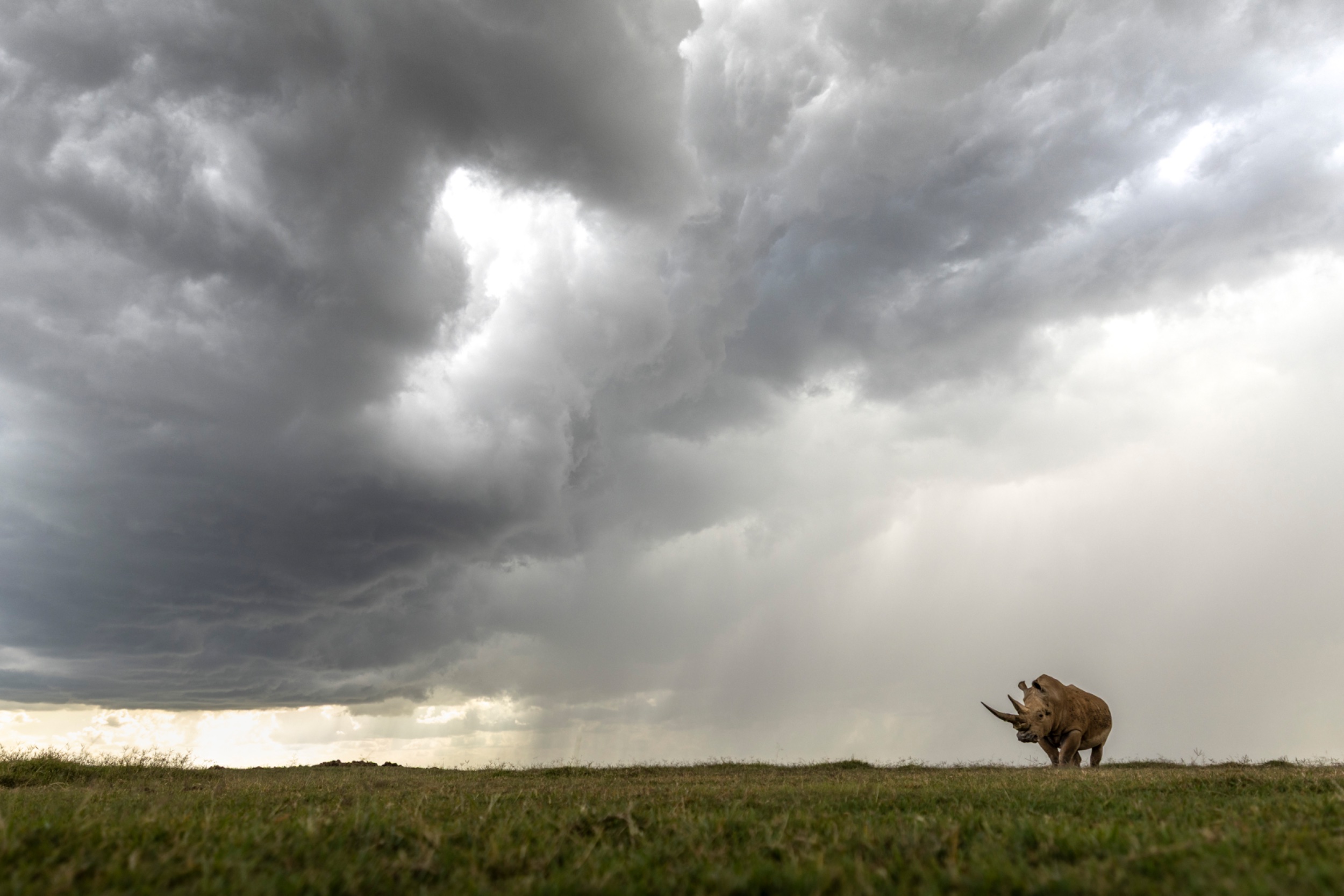
Solio Game Reserve, Kenya.